

For commercial property owners in Irving, TX, postponing a commercial roof replacement may seem like a practical way to manage expenses, especially when the roof still appears functional. However, delaying replacement often leads to hidden financial and operational risks that grow over time. Understanding these risks helps building owners make proactive decisions that protect both property value and business continuity. If your facility may be approaching the end of its roofing lifespan, contact Anderson Industrial Roofing at (866) 949-8016 for professional guidance and reliable commercial roofing solutions in Irving, TX.
The Hidden Risks of Delaying a Commercial Roof Replacement
Every commercial roofing system has a limited service life. Even high-quality materials eventually deteriorate due to environmental exposure, structural movement, and daily wear.
Common aging factors include:
- Continuous UV radiation exposure
- Temperature expansion and contraction
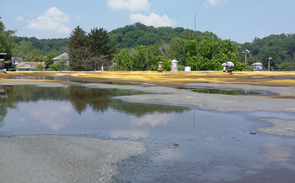
- Standing water accumulation
- Wind uplift and storm damage
- Foot traffic from maintenance crews
While repairs may temporarily resolve visible issues, aging roofs often develop hidden weaknesses beneath the surface. Insulation becomes saturated, seams lose adhesion, and protective membranes thin over time.
Delaying commercial roof replacement allows these underlying problems to worsen, often transforming manageable repairs into major structural concerns.
The Financial Risks of Waiting Too Long
Many commercial building owners delay replacement primarily to avoid upfront costs. Ironically, postponement frequently increases total expenses.
Escalating Repair Costs
As roofing systems age, repairs become more frequent and less effective. Small leaks may appear isolated at first but often signal widespread deterioration.
Repeated patchwork repairs can quickly add up, sometimes exceeding the cost of a planned replacement. Additionally, emergency repairs, especially during storms, typically carry higher labor and material costs.
A proactive commercial roof replacement allows owners to control budgets instead of reacting to unexpected failures.
Energy Efficiency Losses
An aging roof often loses its insulating and reflective properties. Damaged membranes and moisture-soaked insulation allow heat transfer between indoor and outdoor environments.
For commercial properties in warm climates like Irving, this can significantly increase cooling demands. HVAC systems must work harder, leading to:
- Higher utility bills
- Increased equipment wear
- Reduced indoor comfort
Replacing an outdated roof restores energy efficiency and stabilizes operating costs over the long term.
Operational and Safety Consequences
Beyond financial concerns, delaying commercial roof replacement can disrupt business operations and introduce safety risks.
Interior Damage and Business Interruptions
Roof leaks rarely stay confined to the roof itself. Water intrusion can damage ceilings, electrical systems, inventory, and sensitive equipment.
For commercial facilities such as warehouses, retail centers, healthcare buildings, or offices, water damage may result in:
- Temporary shutdowns
- Lost productivity
- Customer safety hazards
- Insurance claims and liability issues
Unplanned downtime often costs far more than scheduled roofing work.
Structural Risks
Water infiltration weakens structural components over time. Saturated insulation increases roof weight, placing additional stress on decking and support systems.
In extreme cases, prolonged neglect may contribute to structural instability or partial roof failure. Addressing roofing issues early protects both occupants and property investments.
The Advantage of Planned Commercial Roof Replacement
Replacing a commercial roof before catastrophic failure provides several strategic benefits.
Improved Long-Term Budget Planning
A scheduled commercial roof replacement allows building owners to plan capital expenditures, secure financing if needed, and avoid emergency decision-making.
Professional assessments can identify optimal timing, when replacement delivers maximum value without unnecessary delay.
Modern Roofing Technology Benefits
Today’s commercial roofing systems offer advancements that older roofs simply cannot match, including:
- Reflective energy-efficient membranes
- Enhanced waterproofing systems
- Stronger seam technology
- Improved drainage performance
- Longer manufacturer warranties
Upgrading to modern materials improves durability while lowering maintenance demands.
Increased Property Value
A new commercial roof enhances overall building performance and market appeal. Buyers, tenants, and investors view a recently replaced roof as a significant asset because it reduces future risk.
For property owners considering leasing, refinancing, or selling, commercial roof replacement can directly contribute to higher property valuation.
Warning Signs That Replacement Should Not Be Delayed
Commercial building owners should pay close attention to indicators that replacement is becoming urgent:
- Persistent leaks despite repairs
- Rising energy costs without explanation
- Visible membrane deterioration or cracking
- Frequent storm-related damage
- Roof age nearing manufacturer lifespan
Recognizing these signs early helps prevent expensive emergencies and supports informed decision-making.
Commercial Roof Replacement Experts
Delaying a commercial roof replacement may appear cost-effective initially, but the hidden risks, including escalating repair expenses, operational disruptions, energy inefficiency, and structural damage, can significantly impact commercial properties. Proactive planning protects business operations, improves energy performance, and preserves long-term property value. Commercial building owners in Irving, TX who want to avoid costly surprises should consider scheduling a professional evaluation. Contact Anderson Industrial Roofing at (866) 949-8016 to discuss dependable commercial roof replacement solutions tailored to your facility’s needs in Irving, TX.
FAQ
How do I know if repairs are no longer enough for my commercial roof?
If leaks continue after multiple repairs or large sections show deterioration, replacement is often more cost-effective than ongoing patchwork.
Does commercial roof replacement disrupt daily business operations?
Most projects are carefully planned in phases to minimize interruptions and maintain safe building access during construction.
Can a new commercial roof reduce operating expenses?
Yes. Modern roofing systems improve insulation and reflectivity, helping lower heating and cooling costs.
What types of roofing systems are commonly used for replacements?
Popular options include TPO, PVC, modified bitumen, metal roofing, and other energy-efficient commercial systems.