

An industrial roofing project in Little Elm, TX is easier to manage when the major questions are answered before crews arrive. Facility owners should understand the proposed roof system, assessment findings, rooftop equipment, drainage, quote scope, and how work will be coordinated around operations.
Anderson Industrial Roofing provides commercial and industrial roofing services across Texas, including single-ply systems, metal roofing, roof coatings, restoration, replacement, inspection, and maintenance. Facility managers can call (866) 949-8016 to discuss the conditions that should be evaluated before a project scope is finalized.
What Roofing System Fits This Building?
The first question is not which system is most popular. It is which complete roof assembly fits the building, existing deck, insulation, drainage, rooftop use, exposure, and project goals.
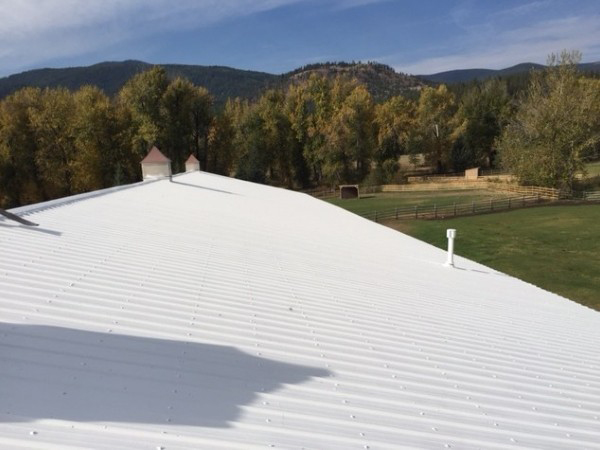
A large low-slope warehouse may be evaluated for a single-ply system such as TPO, PVC, or EPDM. A metal building may need metal replacement or another compatible approach. A roof that remains suitable for restoration may be considered for coating. The contractor should explain why the proposed system fits the building instead of naming a material without connecting it to the site conditions.
What Did the Roof Assessment Actually Find?
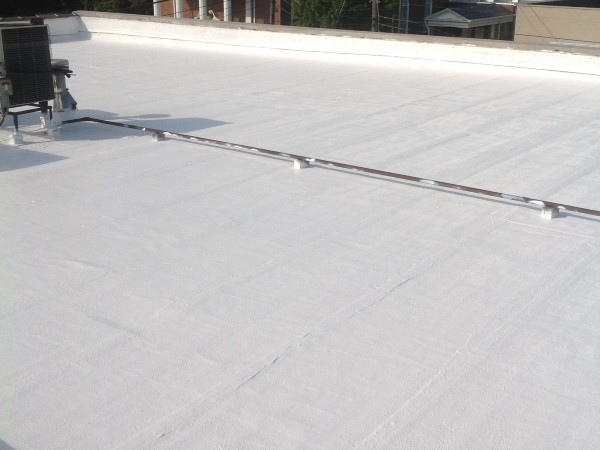
A useful proposal should be supported by documented roof conditions. That includes the existing roof type, visible membrane or surface condition, flashing, penetrations, drainage, prior repairs, known leaks, insulation concerns, and any areas that may require additional investigation.
If concealed moisture or deck deterioration is possible, the contractor should explain what can be confirmed before work begins and what may only become visible after removal. The proposal should state how those discoveries would affect the scope.
How Will Rooftop Equipment Be Coordinated?
Industrial and commercial roofs often contain HVAC units, exhaust systems, vents, piping, supports, curbs, and other rooftop equipment. Each detail can affect flashing, access, sequencing, and the finished roof assembly.
Ask which equipment must remain in service, whether any units need temporary coordination, and who is responsible for work around penetrations or supports. If new rooftop equipment is part of the project, structural capacity and attachment requirements should be evaluated by the appropriate qualified professionals rather than assumed from a visual inspection alone.
What Is Included in the Quote?
Two roofing proposals can show different totals because they include different work. A complete quote should identify preparation or tear-off, disposal, deck repairs or allowances, insulation, membrane or metal system specifications, flashing, penetrations, roof edges, drainage work, access, cleanup, and exclusions.
Anderson’s Commercial Roofing Contractors page describes its broader commercial project capabilities and reinforces why scope, project management, and ongoing service should be part of a contractor comparison rather than price alone.
How Will Unexpected Conditions Be Handled?
Some damage cannot be confirmed until existing roofing materials are opened or removed. The contract should explain how concealed deck damage, wet insulation, or other unexpected conditions will be documented, priced, and approved before additional work proceeds.
A change in scope should not arrive as a surprise at the end of the job. Ask what evidence will be provided, who authorizes added work, and how schedule or material changes will be communicated.
How Will the Project Affect Facility Operations?
Roofing work can affect entrances, loading areas, parking, rooftop equipment, noise-sensitive spaces, inventory protection, and normal staff movement. Ask how the contractor plans staging, access, debris control, temporary weather protection, and communication with facility personnel.
Some projects can be phased around active operations, while others require temporary restrictions or more intensive coordination. The schedule should be based on the actual facility rather than a promise that every project can proceed without disruption.
What Is the Weather Plan?
Industrial roofing work must account for changing weather, especially when portions of the existing roof are being removed. Ask how much roof area will be opened at one time, what temporary protection is available, and how the crew responds if conditions change before the new assembly is watertight.
The answer should match the proposed system and sequence. Weather planning is part of protecting the building during construction.
What Does the Warranty Cover?
Warranty terms can involve manufacturer product or system coverage, contractor workmanship responsibility, or both. Ask what documents will be provided, what maintenance or inspection obligations apply, and what conditions fall outside coverage.
The written warranty documents should control the comparison. Do not assume every industrial roofing system carries the same term, maintenance requirements, or installer qualifications.
When Is Replacement the Better Scope?
Repair, restoration, and replacement are different project decisions. A roof with localized defects may still be repairable, while widespread deterioration, moisture, unstable materials, or repeated failures can justify a broader replacement evaluation.
Anderson’s Commercial Roof Replacement page outlines the type of full-scale scope involved when an industrial or commercial roof is no longer a good candidate for limited repair or restoration.
Industrial Roofing Services in Little Elm, TX
Before an industrial roofing project begins, the facility should have clear answers about the roof system, existing conditions, equipment coordination, quote scope, concealed damage, operations, weather protection, warranty responsibilities, and change approval.
Call Anderson Industrial Roofing at (866) 949-8016 to discuss an industrial roofing assessment for your Little Elm facility.
Frequently Asked Questions
Should I get more than one quote for an industrial roofing project?
Comparing proposals can be useful, but make sure each contractor is pricing substantially the same roof assembly, preparation, repairs, access, exclusions, and warranty responsibilities.
How long does an industrial roofing project take?
There is no universal timeline. Roof size, system type, tear-off, repairs, weather, access, equipment coordination, and phasing around operations can all affect the schedule.
Can roofing work be completed while the facility stays open?
Sometimes, but it depends on the building and project. Access, noise, staging, rooftop equipment, safety restrictions, and interior protection should be planned before work begins.
Can the project price change after work starts?
It can if concealed conditions are discovered, but the contract should explain how additional work is documented, priced, and approved before the scope changes.