

Energy efficiency has become one of the most important priorities for commercial property owners managing long-term operational expenses. In Southlake, TX, where heat, sun exposure, and seasonal storms place constant pressure on buildings, commercial roofing plays a major role in determining energy performance. A properly designed roofing system does far more than protect a structure, it directly influences heating and cooling costs, indoor comfort, and building sustainability. Commercial property owners seeking improved performance can consult Anderson Industrial Roofing for expert guidance, or call 866-949-8016 to learn how modern commercial roofing solutions can enhance building efficiency.
Commercial roofing systems act as the first line of defense against external temperatures. Because the roof covers the largest exposed surface area of most commercial buildings, even small efficiency improvements can translate into significant energy savings.
The Connection Between Commercial Roofing and Energy Consumption

Many building owners focus on HVAC upgrades when trying to reduce energy costs, but roofing performance often has an even greater impact. A poorly performing roof allows heat transfer that forces mechanical systems to work harder throughout the year.
During hot Texas summers, roofs absorb large amounts of solar radiation. Without proper materials and insulation, this heat transfers into the building interior, increasing cooling demands. Conversely, insufficient insulation during cooler months allows conditioned air to escape.
Modern commercial roofing systems address these challenges through:
- High-performance insulation layers
- Reflective roofing surfaces
- Improved sealing and moisture resistance
- Advanced membrane technology
Together, these elements reduce thermal transfer, helping buildings maintain stable indoor temperatures while lowering energy usage.
Reflective Commercial Roofing Materials Improve Efficiency
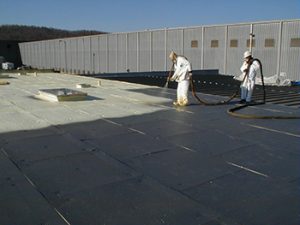
One of the most effective energy-saving advancements in commercial roofing is the use of reflective or “cool roof” materials. These roofing systems are engineered to reflect sunlight instead of absorbing it.
Reduced Heat Absorption
Traditional dark roofing materials retain heat, creating what is known as the “heat island effect.” Reflective roofing membranes significantly reduce surface temperatures, preventing excess heat from entering the building.
Lower roof temperatures directly reduce the workload on air conditioning systems, which is particularly beneficial for large commercial facilities such as warehouses, retail spaces, and office complexes.
Consistent Indoor Comfort
Energy-efficient roofing helps eliminate temperature fluctuations throughout a building. Employees, tenants, and customers experience improved comfort, which can positively influence productivity and customer satisfaction.
Extended Roof Lifespan
Lower thermal stress also benefits the roofing system itself. Materials exposed to constant expansion and contraction tend to deteriorate faster. Reflective roofing reduces these stresses, extending the service life of commercial roofs.
Insulation: The Hidden Driver of Energy Savings
While roofing membranes receive much attention, insulation is equally critical to energy efficiency. High-quality insulation minimizes heat transfer in both directions, keeping heat out during summer and retaining warmth during winter.
Commercial roofing upgrades often include insulation improvements that deliver immediate performance benefits.
Key insulation advantages include:
- Reduced energy consumption
- Better humidity control
- Prevention of condensation issues
- Enhanced acoustic performance
Proper insulation installation eliminates thermal bridging, a common issue where heat bypasses insulation through structural components. By addressing these hidden inefficiencies, commercial roofing systems significantly improve overall building performance.
Moisture Control and Energy Performance
Moisture intrusion is one of the most overlooked factors affecting energy efficiency. When insulation becomes wet, it loses much of its thermal resistance. Even minor leaks can drastically reduce efficiency while increasing utility costs.
Modern commercial roofing systems integrate waterproof membranes, sealed seams, and effective drainage solutions that prevent moisture buildup. Protecting insulation from water damage ensures that energy-saving benefits remain consistent over time.
Additionally, dry roofing systems reduce the risk of mold growth and indoor air quality concerns, protecting both building occupants and property investments.
Long-Term Financial Benefits for Commercial Property Owners
Energy-efficient commercial roofing is not simply an environmental upgrade, it is a strategic financial decision. Reduced energy consumption lowers operating costs year after year, creating measurable returns on investment.
Commercial building owners often experience:
- Lower monthly utility bills
- Reduced HVAC maintenance expenses
- Improved building valuation
- Eligibility for energy efficiency incentives or rebates
Energy performance improvements also support sustainability goals that many businesses now prioritize. Tenants increasingly favor buildings that demonstrate energy responsibility, making efficient roofing systems a competitive advantage in commercial real estate markets.
Commercial Roofing Experts
Commercial roofing should be viewed as an integrated building system rather than a standalone structure. The right combination of materials, insulation, and installation techniques transforms a roof into an energy-management asset.
For property owners in Southlake, TX, upgrading commercial roofing systems offers a practical path toward lower operating costs and improved building performance. Anderson Industrial Roofing helps commercial clients evaluate roofing efficiency and implement solutions tailored to their facilities. To learn how energy-focused commercial roofing can benefit your property, call 866-949-8016 today and take the next step toward a more efficient building.
FAQ
How does commercial roofing reduce energy costs?
Energy-efficient roofing minimizes heat transfer, allowing HVAC systems to operate more efficiently and consume less energy.
What roofing materials are best for energy efficiency?
Reflective membranes such as TPO and PVC, combined with high-quality insulation systems, are widely used for efficient commercial roofing.
Can commercial roofing upgrades improve indoor comfort?
Yes. Improved insulation and reflective surfaces stabilize indoor temperatures and reduce hot or cold spots.
Does moisture damage affect building energy efficiency?
Absolutely. Wet insulation loses effectiveness, causing increased energy consumption and reduced roofing performance.