

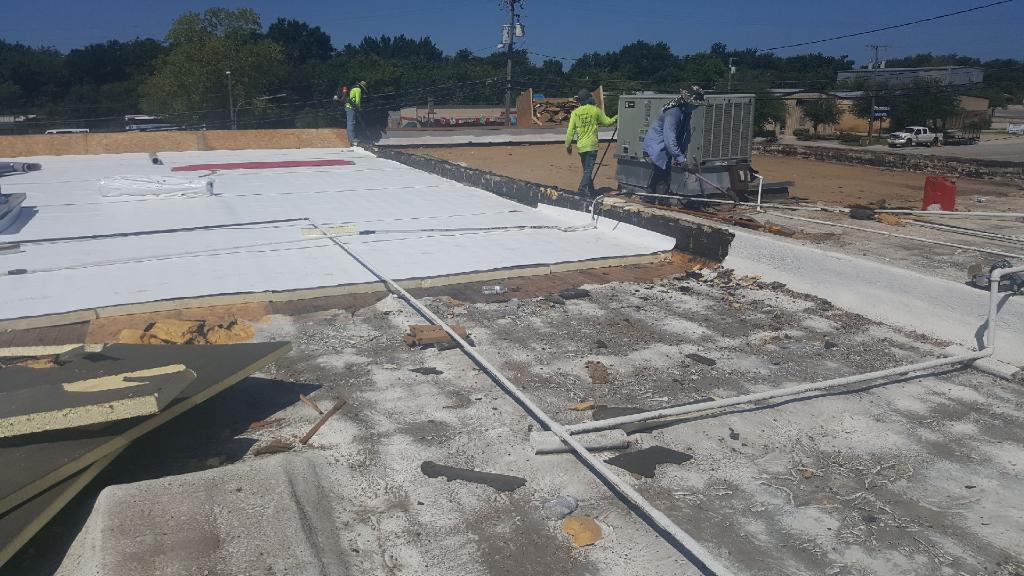
Dallas commercial properties deal with weather conditions that place unusual demands on flat roofing systems throughout the year. Spring hailstorms, sustained summer heat, and the UV intensity of Texas sun cycles all contribute to accelerated wear on membranes, seams, and drainage components. Commercial roofing inspections in Dallas, TX give property owners a clear picture of where their roof stands before minor weather damage becomes a costly structural problem. Call Anderson Industrial Roofing at (866) 949-8016 for commercial roof inspections in Dallas, TX.
Commercial Roofing Inspections: Identifying Storm Damage
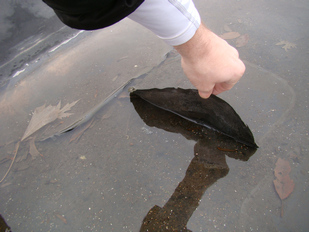
Spring is the most active severe weather season across the DFW area, with hail events and high-wind storms capable of damaging roofing membranes that appear unaffected from ground level. Hail impacts can bruise or puncture a flat membrane without creating an immediate visible leak, allowing moisture to work its way beneath the surface over subsequent weeks or months. Scheduling a commercial roof inspection after any significant spring storm helps catch this type of concealed damage while repair costs are still manageable.
Summer brings a different category of stress. Surface temperatures on Dallas flat roofs can reach extreme levels during peak heat months, accelerating UV degradation of exposed membranes and placing repeated thermal expansion and contraction loads on seams, flashing details, and rooftop penetrations. By late summer, these components may show fatigue that only a close-up inspection can identify. Catching deterioration at this stage gives property managers time to address repairs before the next storm season begins.
What a Commercial Roofing Inspection Covers
A professional commercial roof inspection examines the full system rather than just the surface. Inspectors evaluate the membrane for blistering, punctures, and surface erosion, check seams for separation or lifting, assess flashing details at curbs, vents, and wall transitions, and evaluate drainage components including drains, scuppers, and interior gutters for blockages or deterioration. Each of these areas can become a point of failure if conditions are left unaddressed through a Dallas storm season.
Inspectors also evaluate penetrations such as HVAC equipment bases, pipe boots, and conduit entry points, where water intrusion is particularly common on flat roofs. The condition of field-applied sealants and termination bars is assessed, since these components are often among the first to show weather-related wear. A written report following the inspection documents findings with photographs and identifies which areas require immediate attention versus ongoing monitoring.
Using Inspections to Stay Ahead of Weather-Related Costs
 One of the practical advantages of scheduling regular commercial roof inspections is the opportunity to address weather-related damage at its least expensive stage. A small seam separation or a developing flashing gap identified during a routine inspection costs significantly less to repair than the same issue discovered after water has reached the insulation or interior of the building. Dallas property managers who schedule inspections twice per year consistently keep per-incident repair costs lower than those who defer until a problem is visible.
Inspection records also serve a direct function when storm damage results in an insurance claim. Detailed documentation of a roof’s condition before and after a weather event establishes a clear baseline and demonstrates that the property was being actively maintained. This documentation is particularly relevant in hail-prone markets like Dallas, where distinguishing pre-existing membrane wear from storm-caused damage is frequently a point of dispute during the claims process.
Commercial Roofing Inspections in Dallas, TX
Dallas weather does not allow much margin for deferred roof care. The combination of spring storm exposure and summer heat creates conditions that require regular professional evaluation to manage effectively. For commercial roof inspections in Dallas, TX contact Anderson Industrial Roofing at (866) 949-8016 today.
FAQ
How often should a commercial roof be inspected in Dallas, TX?
Twice per year is the standard recommendation for most flat commercial roofing systems, with additional inspections following any significant storm event. Dallas’s active spring hail season and high-heat summers each create conditions that can affect roof performance in distinct ways, making post-season evaluations a practical part of a maintenance program.
What does a commercial roof inspector look for after a hailstorm in Dallas?
Inspectors look for membrane bruising and impact punctures, cracked or displaced flashing sealants, and damaged drainage components. Hail damage to flat membranes is often not visible from ground level and does not always produce an immediate interior leak, which makes a professional post-storm inspection the most reliable way to assess the actual condition of the roof and document any damage for insurance purposes.
Can a commercial roof inspection report help with an insurance claim?
Yes. A documented inspection report that includes photographs and a written assessment of roof conditions prior to a storm provides a baseline that helps distinguish pre-existing wear from new storm-caused damage. This type of record is frequently relevant in Dallas-area hail claims and can help support the claims process by demonstrating that the roof was in documented condition before the weather event occurred.