


Commercial roof inspection in Richardson, TX should leave the building owner with more than a verbal summary. Anderson Industrial Roofing provides commercial roof inspections for Richardson-area buildings, and the useful outcome is a written record that shows what was observed, what remains uncertain, and which maintenance, repair, or replacement decisions the evidence supports.
For inspection help, contact Anderson Industrial Roofing at (866) 949-8016. A useful inspection record should make it easier to compare conditions over time and connect any proposed work to documented roof findings.
Value of Roof Inspections
Call for Information
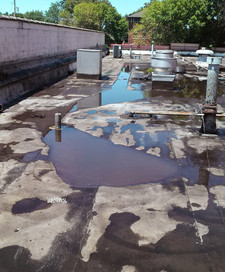
Regular inspection helps document the roof’s condition and can identify defects before they expand into a larger scope. Those records can also support budgeting, maintenance planning, and conversations with an insurer when roof damage is part of a claim. An inspection does not guarantee that every future leak or failure will be prevented, but it gives the owner a baseline for deciding what needs attention now and what can be monitored.
Anderson Industrial Roofing has more than 30 years of roofing experience. For owners managing one building or a larger portfolio, consistent inspection records can help separate isolated defects from recurring conditions that deserve broader evaluation.
Comprehensive Commercial Roof Inspections
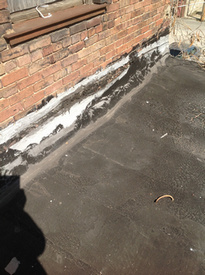
A commercial inspection can review roof surfaces and details that commonly affect water entry and long-term performance, including:
- Roof edges, caps, and perimeter details
- Drains, scuppers, gutters, and other water-management components
- HVAC curbs, vents, piping, and other penetrations
- Flashings, seams, transitions, and previous repairs
- Visible movement, deterioration, punctures, or other changes in the roof system
Temperature changes and building movement can affect seams, flashings, and other details, but visible movement does not by itself establish concealed damage. The inspection should identify the observed condition, its location, and whether additional investigation is needed before a repair scope is set.
What a Useful Inspection Report Includes
The inspection is only as useful as the record it produces. The sample outline below describes what an owner should expect from a strong commercial roof inspection report. It is a general reporting framework, not a statement that every Anderson report uses this exact format.
| Report Section | What It Should Contain | Why It Matters |
|---|---|---|
| Inspection scope | Date, roof areas reviewed, access or weather limitations, and relevant site conditions | Defines what the inspection did and did not cover |
| Dated photos | Overall views and close-ups tied to roof areas or identifiable locations when practical | Creates a condition baseline for estimates and future comparison |
| Defect locations | Marked locations for seams, flashings, penetrations, drainage concerns, punctures, or other defects | Lets repair crews connect the proposed work to specific findings |
| Moisture limitations | What visible inspection can establish and which concealed conditions remain unknown | Prevents suspected moisture from being treated as confirmed damage |
| Prioritized actions | Items separated into prompt work, planned work, monitoring, or further investigation | Helps the owner budget and sequence the next steps |
| Reinspection triggers | Events such as significant weather, completed repairs, recurring leaks, or a documented condition change | Shows when another review is justified without relying on one universal interval |
If thermal imaging or another moisture-screening method is used, treat an anomaly as screening evidence rather than proof of concealed wet insulation by itself. When the finding could change the repair or replacement scope, the report should state whether confirmation is needed and what project-specific follow-up is appropriate.
The report should go to the person responsible for approving roof work, such as the owner, property manager, or facilities lead. It can then support a scoped estimate that identifies the affected areas, proposed work, important exclusions, and any unresolved conditions that could change the scope. For Richardson repair examples, see flat roof repair in Richardson and rubber roof repair in Richardson.
When to Have Commercial Roof Inspection Services?
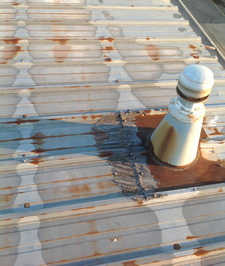
The right inspection interval depends on the roof system, condition, repair history, rooftop activity, weather exposure, and any written maintenance requirements. An additional inspection may be appropriate after severe hail, strong winds, heavy snow or ice, unusual rooftop traffic, a new leak, or another documented change in roof condition.
Inspection records are especially useful when a condition is being monitored. Comparing dated photos and notes from one visit to the next can show whether an area is stable, recurring, or changing enough to justify work.
Roof Inspection Professionals
Anderson Industrial Roofing has more than 30 years of experience serving commercial roofing needs. A commercial roof inspection should give you a clear record of current conditions and enough evidence to decide whether the next step is maintenance, localized repair, additional investigation, or replacement planning.
To schedule a commercial roof inspection, contact an associate today at (866) 949-8016.
Frequently Asked Questions
What should I receive after a commercial roof inspection?
You should receive a written report with dated photos, defect locations, inspection limitations, moisture uncertainties, prioritized actions, and clear reinspection triggers.
Can a thermal scan confirm concealed roof moisture on its own?
No. A thermal anomaly is screening evidence. If it could change the work scope, it should be interpreted in context and confirmed with an appropriate project-specific follow-up method.
Who should receive the commercial roof inspection report?
The owner or person responsible for approving roof work should receive it. A property manager, facilities lead, contractor, insurer, or other party may also need it depending on the project.
How does an inspection report support a repair estimate?
A scoped estimate can tie proposed work to documented locations and findings, identify exclusions, and state which unresolved conditions could require additional investigation or a change in scope.