

For commercial property owners in Grapevine, TX, maintaining a durable roofing system is essential for protecting assets, tenants, and daily operations. One of the most widely used systems in commercial buildings is EPDM, commonly known as a rubber roofing system, and understanding when rubber roof repair is needed can prevent costly structural damage. Business owners working with Anderson Industrial Roofing often rely on early detection strategies to avoid major disruptions. If your facility in Grapevine, TX is showing warning signs of roof deterioration, call 866-949-8016 to discuss professional rubber roof repair solutions tailored to your commercial property.
How to Spot Early Signs You Need Rubber Roof Repair
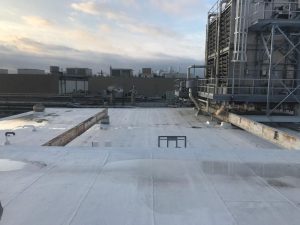 One of the earliest and most obvious signs that rubber roof repair is needed appears directly on the roof surface. EPDM roofing membranes are designed to be durable and flexible, but over time they can still show signs of aging due to UV exposure, weather fluctuations, and mechanical stress.
Commercial building owners should watch for:
- Surface cracks or small splits in the membrane
- Bubbling or blistering caused by trapped moisture or air
- Shrinkage pulling the membrane away from edges or flashing
- Visible punctures from foot traffic or rooftop equipment
Even minor surface damage can allow water to penetrate beneath the membrane, where it slowly affects insulation and decking. For commercial properties, this type of hidden deterioration can lead to expensive interior repairs if not addressed promptly. Early rubber roof repair helps restore the protective barrier before moisture spreads.
Performance Issues That Signal Hidden Roofing Problems

Not all roofing damage is visible from the surface. In many commercial buildings, the first signs of trouble appear as performance-related issues inside the structure. When a rubber roof begins to fail, water infiltration may take time to show up but can create noticeable operational disruptions.
Common warning signs include:
- Water stains on ceilings or upper walls
- Musty odors indicating trapped moisture
- Increased humidity inside the building
- Unexpected spikes in energy costs due to insulation damage
These issues often indicate that water has already breached the roofing membrane. Once moisture reaches insulation layers, it can reduce thermal efficiency and weaken structural materials over time.
Another important indicator is seam separation. EPDM roofing systems rely on adhesive or tape-based seams to maintain waterproof integrity. As these seams age or experience thermal movement, they may begin to loosen. Even small separations can allow water intrusion during heavy rainfall or storms, making timely rubber roof repair essential for preventing escalation.
Climate Stress and Long-Term Wear in Texas Conditions
Weather conditions in Texas play a significant role in the lifespan of commercial roofing systems. In Grapevine, TX, roofs are exposed to intense summer heat, UV radiation, sudden storms, and occasional hail events. These environmental factors place continuous stress on rubber roofing membranes.
High temperatures cause the EPDM material to expand, while cooler temperatures cause contraction. Over time, this repeated movement can weaken seams and fastening points. UV exposure also accelerates surface aging, making the membrane less flexible and more prone to cracking.
Storm activity is another major concern. Strong winds can lift loose edges or expose vulnerable seams, while hail can cause punctures that may not be immediately visible. Without prompt rubber roof repair, these small vulnerabilities can develop into widespread leaks.
Proper drainage is also critical in Texas climates. Standing water after heavy rainfall can increase stress on the membrane and lead to premature deterioration if not corrected. Commercial property managers should ensure drainage systems remain clear to reduce long-term damage risks.
Protecting Commercial Buildings with Early Intervention
For commercial buildings, proactive roof maintenance is far more cost-effective than emergency repairs or full replacements. Identifying early warning signs allows property owners to address issues before they disrupt business operations or damage interior assets.
Rubber roof systems are known for their durability, but like any roofing material, they require timely attention to perform at their best. Small repairs such as patching punctures, reinforcing seams, or restoring flashing areas can significantly extend system lifespan when handled correctly.
In many cases, early intervention also helps preserve insulation performance and reduce energy loss. This is especially important for large commercial facilities where heating and cooling costs represent a major portion of operational expenses.
Working with experienced roofing professionals ensures that repairs are completed correctly and that underlying issues are properly diagnosed rather than temporarily covered.
Rubber Roof Repair Experts
For commercial property owners in Grapevine, TX, recognizing early signs of roof deterioration is key to avoiding major disruptions. If your building shows signs of wear or leakage, contact Anderson Industrial Roofing at 866-949-8016 for expert rubber roof repair services in Grapevine, TX.
FAQ
What causes rubber roofing systems to fail over time?
Common causes include UV exposure, weather extremes, seam degradation, ponding water, and physical damage from rooftop activity.
Can small punctures in a rubber roof be repaired easily?
Yes, minor punctures are often repairable using patching materials or adhesive systems that restore the membrane’s waterproof barrier.
Is rubber roof repair more cost-effective than replacement?
In many cases, targeted repairs are significantly more affordable and can extend the life of the existing roofing system by several years.
How does weather impact rubber roofing performance?
Extreme heat, UV radiation, storms, and hail can all weaken the membrane over time, making regular maintenance and timely repairs important.