

A commercial roof replacement is a major investment that improves building protection, efficiency, and long-term value. However, many commercial property owners unknowingly reduce the lifespan of their new roof by making avoidable post-installation mistakes. In Southlake, TX, where extreme heat, storms, and seasonal weather shifts place continuous stress on commercial structures, understanding what happens after a commercial roof replacement is just as important as the installation itself. Businesses working with Anderson Industrial Roofing can ensure their new roofing system performs as expected, call 866-949-8016 to learn how proper post-replacement practices protect your investment.
While installation quality matters, ongoing management determines whether a roof lasts decades or begins failing prematurely.
Common Mistakes Businesses Make After a Commercial Roof Replacement
One of the most common misconceptions among commercial building owners is that a brand-new roof requires little attention. Although a commercial roof replacement provides a fresh start, it does not eliminate the need for proactive care.
New roofing systems still face:
- UV exposure
- Temperature expansion and contraction
- Heavy rainfall and drainage demands
- Foot traffic from contractors and maintenance crews
Ignoring early maintenance allows minor issues, such as blocked drains or loose flashing, to evolve into expensive repairs. Even small debris buildup can interfere with water flow, creating ponding that shortens roofing lifespan.
Commercial property managers should establish basic maintenance procedures immediately after installation rather than waiting for visible problems to appear.
Allowing Uncontrolled Rooftop Traffic After Commercial Roof Replacement
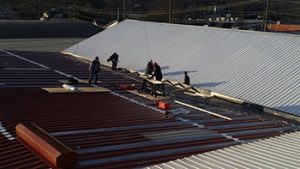
After a commercial roof replacement, many businesses overlook access control. Rooftops often host HVAC units, communication equipment, solar installations, and maintenance personnel, all of which introduce potential risks.
Unrestricted foot traffic can lead to:
- Membrane punctures
- Compressed insulation
- Seam damage
- Accidental equipment impacts
Commercial roofing systems are durable but not indestructible. Establishing designated walk paths and restricting rooftop access to trained professionals helps preserve the integrity of the new roof.
Simple policies—such as requiring approval before rooftop entry, can prevent costly damage caused by unrelated service vendors.
Ignoring Drainage Performance After Installation
Drainage is a critical factor in commercial roofing performance, yet many building owners assume replacement automatically solves all water-related issues.
Even after a successful commercial roof replacement, drainage systems must be monitored to confirm proper function. Structural settling, debris accumulation, or unexpected water flow patterns may still occur.
Poor drainage leads to standing water, which accelerates material deterioration and increases structural load. Ponding water can also compromise insulation efficiency and encourage leaks long before the roofing system reaches its expected lifespan.
Commercial buildings benefit from periodic evaluations of:
- Roof drains and scuppers
- Gutters and downspouts
- Surface slope effectiveness
- Debris accumulation zones
Addressing drainage concerns early protects both the roof and the building interior.
Neglecting Documentation and Warranty Requirements
Another frequent oversight involves failing to maintain proper records after a commercial roof replacement. Most roofing warranties include specific conditions that must be followed to remain valid.
Common warranty-related mistakes include:
- Not documenting repairs or maintenance work
- Allowing unauthorized modifications
- Installing equipment without professional approval
- Skipping required inspections outlined in warranty terms
Without proper documentation, businesses may unintentionally void warranty coverage, leaving them responsible for repairs that would otherwise be protected.
Keeping organized records of maintenance activities, contractor visits, and equipment installations ensures warranty protection remains intact throughout the roof’s service life.
Overlooking Energy Performance Monitoring
Modern commercial roof replacement projects often include energy-efficient materials designed to reduce operating costs. However, some businesses fail to track performance after installation.
Monitoring utility usage helps building owners confirm whether the new roofing system delivers expected efficiency improvements. Changes in indoor comfort, cooling demand, or energy consumption can reveal opportunities for optimization.
Energy-efficient roofing performs best when integrated with building systems such as insulation, ventilation, and HVAC operations. Reviewing energy data allows commercial property owners to maximize the benefits of their investment.
Commercial Roof Replacement Experts
A commercial roof replacement marks the beginning, not the end, of responsible building management. The most successful commercial property owners view their roof as a long-term asset requiring strategic oversight.
In Southlake, TX, environmental conditions demand proactive planning to ensure roofing systems perform reliably year after year. Avoiding common post-replacement mistakes helps businesses extend roof lifespan, protect warranties, and control long-term maintenance costs. Anderson Industrial Roofing works with commercial clients to support roof performance long after installation. For guidance on maintaining your newly replaced roof, contact 866-949-8016 and ensure your commercial roof replacement continues delivering value for decades.
FAQ
What should businesses do immediately after a commercial roof replacement?
Establish maintenance procedures, limit rooftop access, and document all work related to the new roofing system.
Can heavy rooftop equipment damage a new commercial roof?
Yes. Improperly installed or serviced equipment can puncture membranes or compress insulation if precautions are not taken.
Why is drainage important after roof replacement?
Effective drainage prevents standing water, which can shorten roof lifespan and lead to leaks or structural stress.
How does documentation protect a roofing warranty?
Keeping maintenance and repair records demonstrates compliance with warranty requirements and helps preserve coverage.