

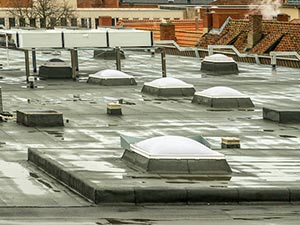
A flat commercial roof in McKinney must survive three very different kinds of weather in a single year, and not every membrane can handle that. EPDM roofing has held up on Texas buildings for decades because it takes heat, hail, and cold without losing its performance.
Call Anderson Industrial Roofing at (866) 949-8016 for EPDM roofing in McKinney, TX.
EPDM Roofing Built for North Texas Conditions
EPDM is a synthetic rubber membrane, and rubber is the key to its durability. It stretches and recovers instead of going brittle, allowing it to adapt to changing temperatures. In the North Texas climate, the same roof could face 100-degree summer and a hard freeze within a few months. Understanding how it performs in each season can help determine if it is the right roofing solution for your needs.
EPDM membranes are available in two colors, black and white. The choice in color will determine how well it manages heat. Additionally, the rubber composition will also determine how it responds to sun, impact, and cold.
How EPDM Roofing Handles Summer Heat and UV
Texas summers are long and the relentless sun can take a toll on most roofing materials. EPDM roofing was made to take prolonged UV exposure without degrading. This resistance is one of the primary reasons it has stayed in service on commercial roofs for so long. It does not dry out and crack under months of direct sun the way cheaper materials can.
A black membrane absorbs heat, which can help in cooler climates but works against you in McKinney. A white EPDM surface reflects sunlight and keeps the roof and the building cooler, which is usually more appropriate for Texas.
EPDM Roofing Performance Against Spring Hail and Heavy Rain
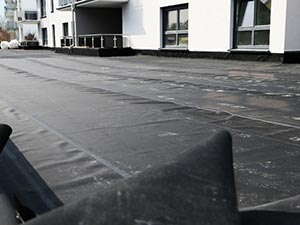
North Texas skies turn violent in spring, and hail is a threat that every building owner faces. EPDM’s rubber composition gives it an advantage in these conditions. The membrane absorbs impact and flexes rather than shattering. Hailstorms that would crack a rigid surface will often leave a rubber roof intact.
Heavy rain is also another problem in the spring. EPDM installs as a continuous waterproof membrane with sealed seams, creating a barrier from wind-driven storms. On a low-slope roof where water can pool after a downpour, that watertight surface keeps moisture from building below.
Why EPDM Roofing Survives North Texas Cold Snaps?
Winter in McKinney can bring sudden cold fronts and freeze-thaw repeated cycles that can damage the roof. Water seeps into small gaps, freezes, and expands, making the gap wider. The pressure will cause a stiff membrane to crack. This is where a lot of roofing systems quietly start to fail.
EPDM stays flexible when the temperature drops, enabling it to move with the building instead of fracturing. This cold-weather flexibility protects the seams and the field of the roof through every freeze-thaw cycle. For this reason, these roofs will last longer in the sudden change of temperatures in the Texas climate.
McKinney EPDM Roofing Experts
One membrane that will protect against the summer sun, spring hail, and the winter freezes, while providing all-season durability makes EPDM the perfect choice for McKinney commercial buildings. When the right color is chosen and installed correctly, it will provide protection many years to come. For EPDM roofing in McKinney, TX contact Anderson Industrial Roofing at (866) 949-8016 today.
FAQ
How long does an EPDM roof last on a commercial building?
With proper installation and basic upkeep, EPDM commonly serves several decades, making it one of the longer-lasting flat roof options.
Can a damaged EPDM roof be repaired instead of replaced?
Yes, EPDM is one of the easier membranes to patch, and isolated punctures or seam issues can often be repaired without a full replacement.
Is EPDM or TPO better for a Texas commercial roof?
Both will work well here. The choice depends on your building’s heat load, traffic, and budget.