

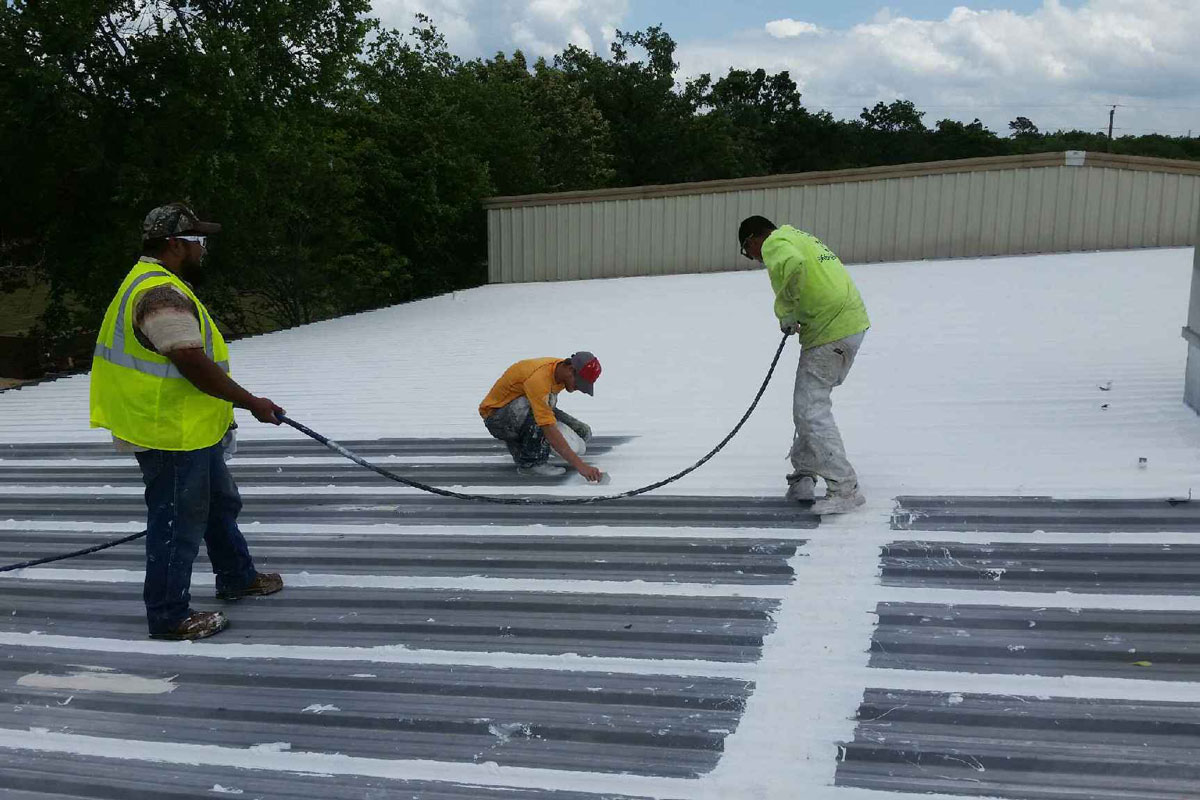
Commercial building owners have several roofing options, and the right choice depends on the building, the existing roof and how the property is used. Common commercial systems that roofers in Dallas TX install include single-ply membranes such as EPDM, built-up and other asphalt-based roofs, metal roofing, cool roofing options and rooftop solar mounted on a suitable roof.
Anderson Industrial Roofing is a family owned commercial roofing company that has served building owners since 1993, with more than 30 years of experience. Its commercial offerings include metal roof installation and replacement and single-ply systems (TPO, PVC and EPDM). This guide explains the main types of roofers, the traits worth looking for and how to compare bids. To discuss a project, call (866) 949-8016.
Types of Roofers in Dallas TX
Roofers often specialize by system. Knowing which type your building needs helps you ask the right companies for bids.
1. Hot Roofers
Hot roofers install tar-based and asphalt-based systems. A base sheet is placed first, followed by alternating layers of hot asphalt and reinforcing fabric. This work depends on crew skill and careful handling of heated materials, so ask any company that quotes it about its experience with that specific system. Anderson’s confirmed commercial services focus on metal and single-ply roofing, so a building that needs a built-up roof should confirm that the company bidding actually installs it.
2. Metal Roofers
Metal roofs are used on commercial and industrial buildings, and some metal roofing can be finished with reflective coatings that help with heat. Metal roofers must choose the right panel profile and fastening method for the building, and poor handling of good material still produces a poor installation. Anderson Industrial Roofing provides metal roof installation and replacement for commercial properties.
3. PV Solar Panel Roofers
Rooftop solar is a specialized trade. Installers must consider roof size, shading, panel orientation and whether the roof structure can carry the added weight. Solar is usually best planned alongside the roof itself, because a roof that fails under the panels is costly to repair. Anderson does not list solar installation among its commercial services, so owners considering solar should confirm that the company bidding the work performs it.
4. Single Ply Roofers
Single-ply roofers install membranes such as TPO, PVC and EPDM in a single layer. TPO and PVC seams are heat-welded, while EPDM seams are sealed with adhesive or tape, so seam quality is a major factor in performance. Attachment can be fully adhered, mechanically fastened or ballasted, and the choice depends on the roof structure and the weight the deck can carry. Anderson’s single-ply membrane page explains the membrane options, and its article on installation methods and materials goes further into how installation choices affect a building.
Traits to Look for in Commercial Roofers in Dallas TX
Commercial roofing is specialized work. These traits help separate qualified companies from companies that only quote competitively.
1. Skill and Expertise
The company should have experience with the exact system and building type you are considering, and should be able to explain how it handles flashings, penetrations, drainage and seams. Ask for examples of similar work and for a named person who will supervise your project.
2. Safety and Site Practices
Roof work involves heights, heat and heavy materials. A professional company plans for fall protection, material handling and safe access, and has a clear plan for working around your tenants and operations. Ask how the company protects people and property during the job.
3. Insurance
Roofing carries real risk to workers and property. Ask for current certificates of insurance and verify them with the issuer, rather than relying on a statement that a company is insured. Confirm that the coverage matches the size and type of your project.
4. Guarantee
Ask what is guaranteed and by whom. A manufacturer warranty covers the roofing product under the manufacturer’s terms, while workmanship coverage comes from the installing contractor. Request both in writing, with duration, exclusions and the conditions that could void coverage. Anderson Industrial Roofing can discuss manufacturer warranty options on new roofing systems.
5. Education and Training
Many roofing professionals build their skills through apprenticeships and on-the-job training. For specialized materials, manufacturer-specific training can matter, so ask what training the installing crew has for the system being quoted.
Side-by-Side Bid Review Checklist
Once you have two or three written bids, line them up on the same items. If a bid cannot answer a row, treat that item as undefined rather than assuming it is included.
| Bid item | What to compare | Why it matters |
|---|---|---|
| Confirmed services | Does the bid name the system you need, such as metal or single-ply, and is it work the company actually performs? | A company that does not install the system cannot be compared fairly |
| Investigation scope | Was the roof walked, and are moisture, deck and drainage conditions addressed? | Bids priced without investigation can change after work starts |
| Material and system | Which product, thickness, panel profile and attachment method are specified? | Similar-sounding bids can describe very different roofs |
| Exclusions | Are tear-off, insulation, deck repair, flashing, drains, permits and disposal included? | Missing items return as change orders |
| Scheduling | What are the start window, duration and weather plan? | Operations and tenants need predictable timing |
| Occupied property | How will access, noise, debris and tenant traffic be managed? | Protection of people and interiors should be written down |
| References | Can the company provide references for comparable commercial roofs? | Comparable work is better evidence than general reputation |
| Warranty responsibility | Who stands behind the manufacturer warranty and who stands behind the installation, and for how long? | These are separate promises |
Follow-Up Questions That Reveal Bids You Cannot Compare
- “What is not included?” A written exclusions list shows what may become a change order.
- “What happens if the deck or insulation is wet?” The answer shows whether hidden damage is priced, included or left open.
- “Which product and thickness are you proposing?” Product names allow real comparison.
- “Who handles a warranty claim?” Ask for the manufacturer terms and the workmanship terms separately.
- “How will tenants and operations be protected?” The scope should address access, debris and equipment placement.
- “Can I see your current insurance certificate?” Request the document, not a verbal assurance.
The lowest total is not automatically the best value. A bid that leaves out tear-off, flashing or deck repair may cost more once those items are added, so compare scope first and price second.
Commercial Roofing from Anderson Industrial Roofing
Anderson Industrial Roofing serves commercial properties across the Dallas-Fort Worth area. Review its commercial roofing solutions, learn about commercial roof replacement or request a commercial roofing estimate. Questions can also be sent through the contact page or by phone at (866) 949-8016.
Frequently Asked Questions
What types of roofers work on commercial buildings in Dallas?
Commercial roofers commonly specialize in single-ply membranes, metal roofing, asphalt-based built-up systems, coatings and, separately, rooftop solar. Confirm that the company bidding your project installs the specific system.
How should I compare commercial roofing bids?
Line up the services, investigation scope, materials, exclusions, schedule, occupied-property plan, references and warranty terms from each bid. Bids that cannot answer the same items are not directly comparable.
What is the difference between a manufacturer warranty and a workmanship warranty?
A manufacturer warranty covers the roofing product under the manufacturer’s terms, while workmanship coverage is the contractor’s promise about the installation. Ask for both in writing.
Should I hire the lowest bidder?
Not automatically. Price only means something when the scope is the same, so check exclusions and materials before comparing totals.