

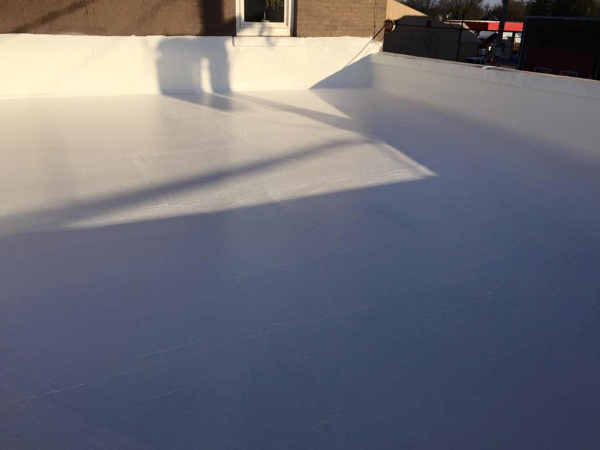
Commercial roof coatings are useful in the right situation, but a few common myths can make them sound more universal than they really are. For a North Richland Hills, TX property owner, the important questions are whether the existing roof is a suitable base, whether moisture and drainage problems have been addressed, and whether the proposed coating system matches the roof’s actual condition.
Anderson Industrial Roofing provides silicone roof coating and restoration services for commercial properties in Texas. Property owners can call (866) 949-8016 to discuss whether a coating should be evaluated for a specific building.
Myth: A Roof Coating Is Just a Cover-Up
Fact: A properly specified coating is a restoration system applied over a compatible existing roof after inspection, preparation, and required repairs. It can create a continuous protective surface and improve resistance to weathering without removing the entire roof assembly.
What it cannot do is make underlying damage disappear. Unstable materials, deteriorated decking, widespread trapped moisture, and unresolved drainage problems need to be addressed before a coating project moves forward.
Myth: Any Commercial Roof Can Be Coated
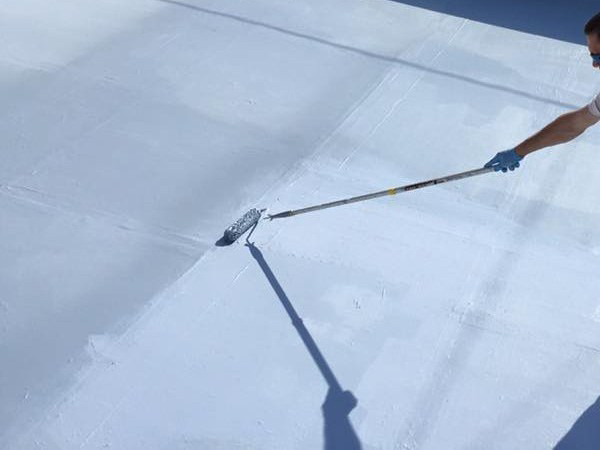
Fact: Coating candidacy depends on the existing roof system, substrate condition, moisture, drainage, adhesion, previous repairs, and surface compatibility. A roof that is broadly stable and repairable may be a good candidate, while a roof with widespread deterioration may need a different scope.
Anderson’s Frisco roof coating article makes the same point: coating can help extend useful service when the existing roof remains suitable for restoration.
Myth: Silicone Coating Fixes Ponding Water
Fact: Silicone coating does not create slope or correct the cause of standing water. Drains, scuppers, low areas, settlement, roof geometry, or blocked outlets can all contribute to ponding.
Some coating systems may be designed to tolerate certain moisture exposures better than others, but that is not permission to ignore a drainage problem. The contractor should explain whether drainage corrections are included and how any remaining ponding affects the selected system’s requirements.
Myth: A Coating Will Last a Set Number of Years No Matter What
Fact: There is no universal service-life number that applies to every coated roof. Performance depends on the existing roof, preparation, repairs, application thickness, drainage, exposure, rooftop traffic, maintenance, and the specific system installed.
If warranty terms are part of the proposal, ask what the written documents actually require. Do not assume a warranty automatically renews, extends, or remains valid simply because a roof can be recoated later.
Myth: More Coating Always Means a Better Roof
Fact: A coating system should be installed to the specified application rate or dry-film thickness for that product and project. Applying more material than required does not correct poor preparation, weak adhesion, drainage problems, or unrepaired defects.
A useful scope should identify cleaning, primers when required, repairs, reinforcement, target application thickness, flashing work, drainage work, and exclusions.
Myth: A Reflective Coating Guarantees Energy Savings
Fact: A reflective coating can reduce roof-surface heat gain compared with a darker surface, but that does not guarantee a specific reduction in utility costs. Insulation, HVAC performance, air leakage, building use, roof area, and climate all affect energy performance.
Reflectivity is one characteristic to consider, not a stand-alone financial promise.
Myth: Coating Is Always Cheaper Than Replacement
Fact: A coating project can involve less removal than a full replacement when the existing roof is suitable to remain in place, but the actual cost comparison depends on roof condition and scope. Repairs, wet insulation removal, deck work, drainage corrections, preparation, access, and coating requirements can all change the price.
Anderson’s commercial roof replacement page provides context for the broader scope involved when an existing roof is no longer a good restoration candidate.
Myth: Coated Roofs Do Not Need Ongoing Maintenance
Fact: Coated roofs still need inspection and maintenance. Flashing, penetrations, drains, rooftop equipment, traffic areas, and new damage should be reviewed over time so developing problems are addressed before they expand.
Anderson’s Garland roof maintenance article explains the value of keeping inspection findings and repair history documented over the roof’s service life.
Roof Coating in North Richland Hills, TX
The best way to evaluate roof coating is to separate what the system can do from what it cannot. A coating can be a practical restoration option when the existing roof is a suitable base, repairs are completed first, drainage is understood, and the written scope matches the building’s actual condition.
Call Anderson Industrial Roofing at (866) 949-8016 to discuss whether silicone roof coating should be evaluated for your North Richland Hills commercial property.
Frequently Asked Questions
How do I know if my roof is a good candidate for coating?
A suitable candidate generally needs a stable, compatible roof surface, manageable moisture conditions, repairable defects, and drainage conditions that do not rely on coating to correct an underlying problem.
Can silicone roof coating fix standing water?
No. Coating does not create slope or correct the cause of chronic ponding, so drainage conditions should be evaluated separately.
Does a roof coating always cost less than replacement?
Not necessarily. The comparison depends on roof condition, repairs, moisture, preparation, access, drainage work, and the complete scope of each option.
Does a coated roof still need maintenance?
Yes. Regular review of drainage, flashing, penetrations, traffic areas, and new damage helps identify conditions that may need repair or follow-up.