

Single-ply roofing systems are widely used on commercial buildings because of their durability, flexibility, and efficient performance on flat and low slope roofs. These roofing systems rely on specific attachment methods that help maintain structural stability and moisture protection over time. Property owners in Dallas, TX can call (866) 949-8016 to learn more about roofing solutions that support long term durability and reliable building performance.
Anderson Industrial Roofing provides single-ply roofing services designed to ensure dependable installation and lasting protection.
Single-Ply Roofing Attachment Method and Performance
Understanding how single-ply roofing attachment methods affect overall roof performance helps property owners make informed decisions about commercial roofing systems.
What Is Single-Ply Roofing
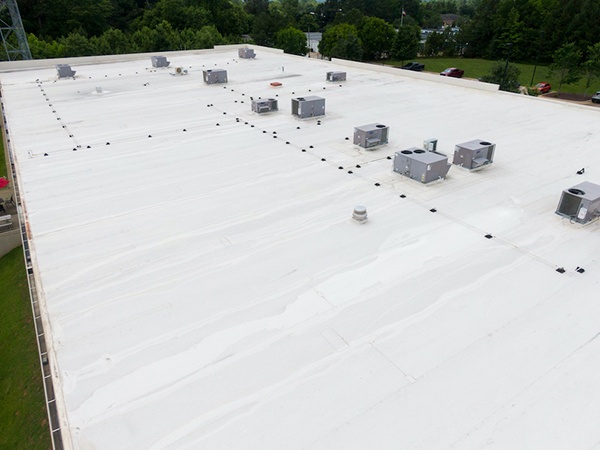
Single-ply roofing systems use flexible membrane materials installed in large sheets across the roof surface. Common membrane types include TPO, EPDM, and PVC. These materials are designed to create a continuous protective barrier that resists moisture intrusion and environmental exposure.
The effectiveness of a single-ply roof depends not only on the membrane material itself but also on how the system is attached to the roof structure. Businesses in Dallas, TX benefit from working with Anderson Industrial Roofing to determine which attachment method best aligns with building requirements and performance goals.
Mechanically Attached Roofing Systems
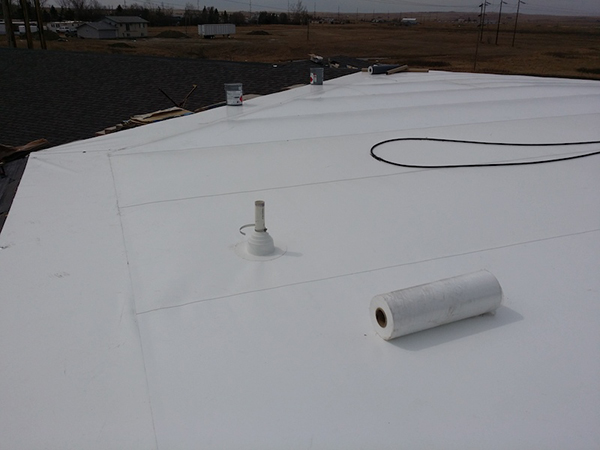
One of the most common attachment methods for single-ply roofing is mechanical attachment. In this system, the membrane is secured to the roof deck using specialized fasteners and plates. The seams are then sealed to create a watertight surface.
Mechanically attached systems are valued for their strong wind resistance and efficient installation process. Proper fastening helps maintain membrane stability and supports long term roof performance. Contractors carefully position fasteners to ensure the system remains secure under changing environmental conditions.
Fully Adhered Roofing Systems
Fully adhered roofing systems use adhesives to bond the membrane directly to the insulation or roof substrate. This attachment method creates a smooth appearance and helps distribute stress evenly across the roof surface.
Because the membrane is adhered continuously, fully adhered systems often provide strong resistance to wind uplift and movement. These systems are also known for their clean appearance and reduced membrane flutter during windy conditions. Anderson Industrial Roofing provides roofing services in Dallas, TX designed to ensure adhesives are applied according to professional standards for reliable performance.
Ballasted Roofing Systems
Ballasted single-ply roofing systems use weight, typically in the form of stone or pavers, to hold the membrane in place. This method allows the membrane to remain loosely laid while the ballast provides stability.
Ballasted systems can provide effective performance when professionally designed, but they require structural support capable of managing additional weight. Drainage and maintenance considerations are also important for these roofing systems.
How Attachment Methods Affect Roof Performance
The attachment method used for a single-ply roofing system directly affects performance factors such as wind resistance, durability, and maintenance requirements. Mechanically attached systems provide strong securement and are commonly used in areas with changing weather conditions.
Fully adhered systems often offer enhanced appearance and reduced movement, while ballasted systems may support certain building designs. Contractors evaluate building structure, climate conditions, and performance goals when recommending the most suitable attachment method.
Importance of Proper Installation
Regardless of the attachment method selected, proper installation is essential for long term roof performance. Contractors ensure membranes are aligned correctly, seams are sealed securely, and flashing components are installed accurately.
Improper installation may affect watertight protection and reduce the lifespan of the roofing system. Professional installation helps maintain structural integrity and supports dependable roof performance over time.
Supporting Long Term Roofing Durability
Routine inspections and maintenance help preserve the condition of single-ply roofing systems after installation. Contractors monitor seams, fasteners, adhesives, and drainage systems to identify concerns early. Preventative care helps extend roof lifespan and maintain reliable protection.
Single-Ply Roofing Specialists
Property owners in Dallas, TX benefit from collaborating with experienced professionals who understand how single-ply roofing systems perform under regional climate conditions. Businesses seeking dependable roofing solutions can call (866) 949-8016 to learn more about single-ply roofing options. Anderson Industrial Roofing provides expertise that helps ensure roofing systems deliver long-lasting durability and dependable performance.
Single-ply roofing attachment methods play a vital role in overall roofing performance. By understanding how these systems function and investing in professional installation and maintenance, property owners can ensure their commercial roofs remain strong and dependable for years to come.
FAQ
What are common single-ply roofing attachment methods
Common methods include mechanically attached, fully adhered, and ballasted roofing systems.
Why is proper installation important for single-ply roofing
Proper installation helps maintain watertight protection, durability, and long term roof performance.
How do attachment methods affect roof performance
Attachment methods influence wind resistance, membrane stability, and overall roofing durability.