

Commercial roof maintenance works best when the building owner knows what can be observed safely, what requires professional roof access, and how each finding should be documented. A maintenance plan does not need to be complicated, but it should create a repeatable way to notice changes, schedule follow-up, and keep a record of what was found.
Anderson Industrial Roofing provides commercial roofing inspection, repair, replacement, and preventative maintenance services across the Dallas-Fort Worth area and throughout Texas. For service planning, call (866) 949-8016.
Know What You Can Safely Observe
Building owners and facility teams can collect useful information without walking the roof. From inside the building or safe ground-level vantage points, note ceiling stains, active drips, overflowing drainage, visible debris, loose exterior components, or obvious storm damage.
Record where the symptom appears, when it started, and whether it follows a weather event. Safe-location photos can document changes, but these observations do not establish the exact roof entry point or full extent of damage.
Actual roof access is different. Walking the membrane, inspecting seams and flashing, or attempting repairs introduces fall risk and can damage roofing materials. Warranty and access requirements vary, so check the actual warranty and building safety procedures before roof-level work.
Schedule Professional Inspections Based on the Roof
There is no single inspection schedule that fits every commercial roof. Roof type, age, condition, warranty requirements, repair history, rooftop equipment, drainage, weather exposure, and recent storms can all affect how often professional review is appropriate.
For North Texas properties, seasonal changes and severe storms are useful reasons to review roof condition. A stable roof may follow a routine schedule, while hail, wind, a new leak, or a monitored defect may justify an earlier visit. Anderson’s inspection and roofing estimate process shows how evaluation can support later repair or maintenance decisions.
Avoid DIY Roof Repairs
A commercial roof is a system that includes the membrane or surface, drainage, insulation, flashing, penetrations, and supporting components. A visible leak or damaged area may involve more than the surface defect that can be seen from inside the building.
For that reason, building staff should report and document symptoms rather than attempting a patch without understanding the roof system. A repair should be based on the material involved, the location and extent of the defect, surrounding roof condition, and any moisture or substrate findings that need further evaluation.
Keep Debris and Drainage on the Maintenance List
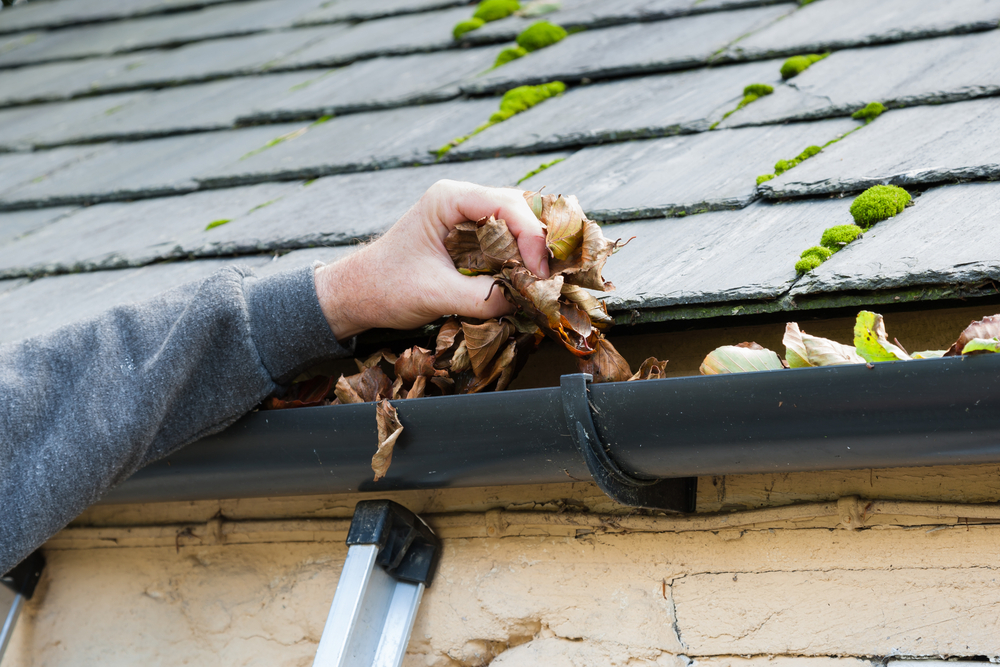
Leaves, branches, loose materials, and other debris can interfere with drainage or create localized wear. Rather than sending untrained staff onto the roof to clear debris, include roof-surface cleanup and drainage review in scheduled professional maintenance.
If debris is visible from a safe location, gutters repeatedly overflow, or water remains where it normally drains away, record the condition and contact the contractor when it needs earlier attention. Anderson’s current commercial roof maintenance guidance also emphasizes scheduled review of developing membrane and drainage concerns.
Manage Trees and Other Surrounding Risks
Some maintenance begins before debris reaches the roof. Trees and vegetation near the building should be managed so branches do not scrape the roof surface, block drainage, or create a greater chance of impact during wind or storms.
Owners can manage landscaping from the ground while leaving roof-level inspection to roofing professionals. After significant weather, document fallen limbs or visible exterior damage and arrange a professional review when the condition could have affected the roof.
Keep a Maintenance Log With Escalation Triggers
A simple maintenance log turns observations into a usable roof history. Each entry should include the date, location, observation source, action taken, and when follow-up is due.
Use the log to separate issues by urgency:
- Call promptly: Active leaks, visible sagging, loose materials that create a safety concern, or storm damage that may have opened the roof system.
- Schedule review soon: A new stain, repeated drainage trouble, growing debris accumulation, or a condition that has changed since the last inspection.
- Monitor: Minor conditions that a professional has already reviewed and specifically identified for follow-up at the next planned inspection.
Do not downgrade a condition to “monitor” based only on appearance. That category is most useful when a contractor has already documented the issue and provided a reinspection trigger. Anderson’s Dallas-Fort Worth service information provides another route for arranging commercial roofing support across the metro area.
Use the Log to Plan the Next Step
Over time, the maintenance record can show whether a problem is isolated, recurring, or spreading. That helps the owner compare repair history with current findings and gives future inspectors a clearer baseline.
The goal of maintenance is not to guarantee a certain roof lifespan. It is to identify developing conditions earlier, support timely repair decisions, and give the owner a documented basis for planning maintenance, restoration, or replacement when the roof condition warrants it.
Commercial Roof Maintenance Planning
Good commercial roof maintenance separates safe owner observations from professional roof access and gives each finding a place in the building’s records. Keep normal access procedures clear, document changes, use professional inspections when conditions require them, and give every monitored issue a follow-up trigger.
For commercial roof maintenance or evaluation, contact Anderson Industrial Roofing or call (866) 949-8016.
Frequently Asked Questions
What can building staff safely check without going onto the roof?
They can document interior stains, active drips, overflowing drainage, visible debris, or storm damage from safe ground-level or interior locations.
How often should a commercial roof be inspected?
The schedule should reflect the roof system, condition, warranty requirements, repair history, weather exposure, and recent events rather than one fixed interval for every building.
What belongs in a commercial roof maintenance log?
Record the date, location, observation source, condition found, action taken, and the next follow-up or reinspection trigger.
When should a maintenance issue be escalated?
Active leaks, visible sagging, safety concerns, or storm damage deserve prompt professional attention, while monitored conditions should follow the contractor’s documented reinspection trigger.