

A good commercial roof does more than keep rain out. For Fort Worth, TX building owners, the roof is a major asset that protects the structure, the interior and daily operations, and on some buildings it can also support useful extras. This article walks through seven benefits of investing in a well-chosen roof, then shows how to compare contractor bids so the investment is made on equal terms.
Anderson Industrial Roofing, family owned since 1993 with more than 30 years of experience, provides commercial roofing to Texas businesses. Call (866) 949-8016 to talk about your building.
1. Protection from Weather
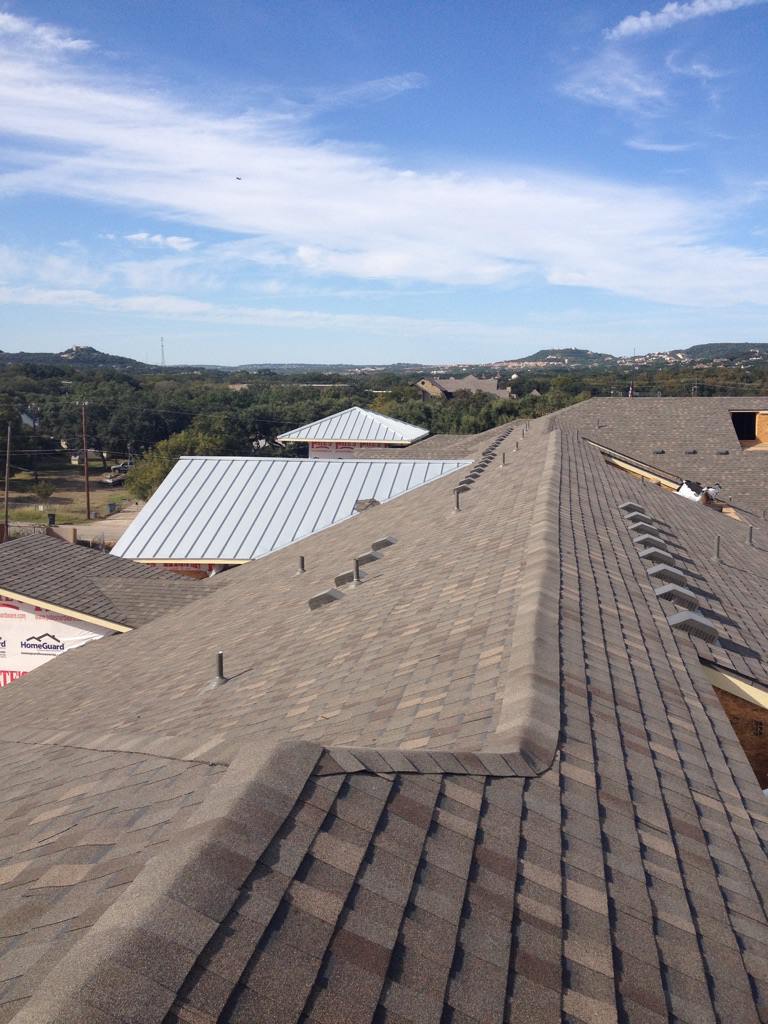
The first job of a roof is shelter. North Texas buildings face heavy rain, hail, high winds and long stretches of summer heat, and the roof system you choose affects how well the building handles them. Commercial owners commonly weigh metal roofing and single-ply membranes such as TPO, PVC and EPDM, all of which fall within Anderson’s installation services.
Metal roofs are often chosen for durability and wind resistance, while single-ply systems are popular on flat and low-slope roofs. Service life varies with the product, the quality of installation and ongoing care, so treat any lifespan figure as a range to confirm in writing rather than a promise. Regular inspection and maintenance help owners identify issues that may affect performance and plan appropriate work. See these tips to maintain commercial roofing in Fort Worth for a starting point.
2. Energy Efficient
Roof color and surface affect how much heat a building absorbs. Reflective membranes and commercial roof coatings can reduce heat absorption, which may ease cooling demand during Fort Worth summers. Actual savings depend on the product, the roof, the building’s insulation and its equipment, so they are not guaranteed.
Vegetated “green” roofs are another possible building-design feature, but their suitability and any stormwater or thermal benefits must be assessed for the individual project. They are a specialized system that needs a structural review, a suitable waterproofing design and ongoing maintenance, so they should be planned with an engineer or architect before any roofing contract is signed.
3. Space for Solar Panels
Flat and low-slope commercial roofs often have open surface area that can host solar panels. Whether yours can depends on the roof’s remaining life, its structural capacity and how the panels will be attached. Mounting hardware may require penetrations or other attachment details that must maintain the roof’s waterproofing.
If a roof is near the end of its service life, it usually makes sense to repair or replace it before adding panels, since removing panels later to fix the roof adds cost. Coordinate the roofing contractor and the solar installer early. Electricity savings depend on the system and your usage and should be confirmed with the solar provider.
4. Roof Garden
Some commercial buildings add planters or a landscaped area on the roof as an amenity for tenants or staff. This is a structural and waterproofing project, not a casual addition. Soil, plants and water add significant weight, drainage must keep moisture away from the membrane, and the waterproofing layer needs protection from roots and foot traffic. Have a structural engineer confirm what the roof can carry before planning anything.
5. A Splendid View
A roof with a pleasant view can become a break area or terrace for employees or tenants. Safe use requires planned access, code-compliant guards or other approved fall protection and walkway surfaces that protect the membrane from wear. Areas around equipment, hatches and edges should stay restricted as required by the building design. Roof access and any roof-surface work should involve trained professionals using appropriate protection.
6. Host a Party
Using a roof for gatherings is possible on some commercial buildings, but occupancy limits, structural capacity, fire exits and local code decide whether it is allowed. Confirm requirements with the building authority and your insurer before inviting guests. Furniture, decorations and foot traffic can also damage a membrane if the surface was not designed for it.
7. Open a Small Café or Restaurant
Rooftop dining can attract visitors with open space and outside views, but it is a substantial change in how a building is used. Such a project typically involves architects, engineers, permits, accessibility provisions and fire and health review. The roof underneath must be designed or upgraded for the loads, drainage and wear involved. Treat profitability as a business question separate from the roof itself.
How to Compare Roofing Bids Before You Invest
Whatever you plan for the roof, the bids you collect should be measured against the same list. Use this side-by-side review:
| Review item | What each bid should state | Follow-up question that reveals a gap |
|---|---|---|
| Confirmed services | That the contractor performs the work you need, such as metal, single-ply, coating or replacement | Will your own crew do the work, or a subcontractor? |
| Investigation scope | What was checked before pricing, including deck, insulation, drains and flashing | What happens if hidden damage appears after work begins? |
| Material and system specification | The named system, thickness or layers, and attachment method | Is this system suited to the loads or uses I have planned? |
| Exclusions | Items not covered, such as deck repair, insulation replacement, permits or equipment work | How are extra items priced if they are needed? |
| Scheduling | Start window, duration and weather contingency | Who decides when to pause for weather? |
| Occupied-property protection | Debris control, noise, tenant access and interior protection | How will daily operations be affected? |
| References | Recent comparable commercial projects you can contact | Can I speak with an owner of a similar building? |
| Workmanship versus manufacturer warranty | Who backs installation labor and who backs the material, for how long and under what conditions | Can I read the warranty terms before signing? |
Bids are incomparable when one omits an item the others price, names a product without a specification, or promises a warranty without terms. The lowest total is not automatically the best value because it may reflect a narrower scope. For a broader look at choosing a contractor, read about commercial roofing contractors in Fort Worth, or ask for an inspection and estimate to clarify the scope for your building.
To discuss a roof investment for your property, contact Anderson Industrial Roofing.
Frequently Asked Questions
Is a flat roof better than a sloped roof for a commercial building?
Neither is better in every case. Flat and low-slope roofs are common on commercial buildings and can offer usable roof space, but they depend on good drainage and a sound membrane.
Can I add solar panels to any commercial roof?
Not always. The roof needs enough remaining life and structural capacity, and the mounting must preserve waterproofing. Plan the roofing and solar work together.
Can a commercial roof be used as a gathering space?
Sometimes. Structure, occupancy limits, access and local code all apply, so confirm requirements with the building authority before planning rooftop use.
Why do roofing bids for the same building differ so much?
Differences in scope, materials, exclusions and warranty terms often explain the gap. Compare each bid against the same checklist before judging price.