

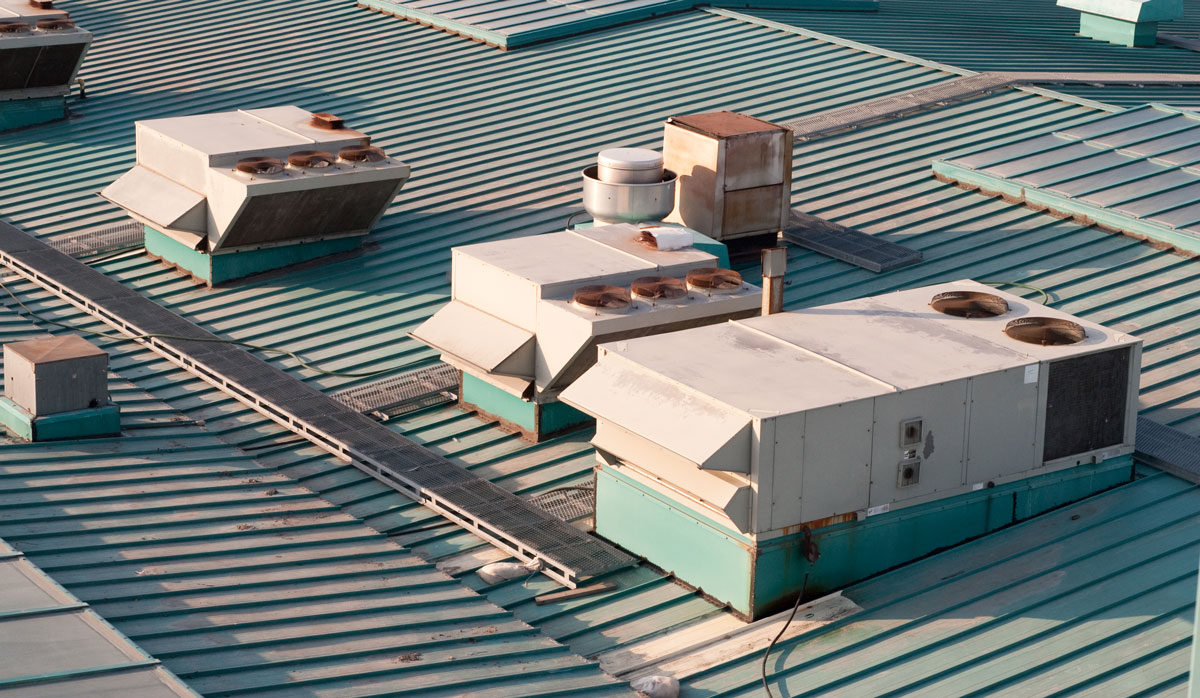
A cool roof can reduce the amount of solar heat absorbed by a commercial building, but the benefit depends on more than choosing a light-colored surface. For a Dallas, TX facility, owners should compare solar reflectance, thermal emittance, insulation, HVAC efficiency, existing roof condition, and retrofit compatibility before expecting a particular energy result. Anderson Industrial Roofing serves the Dallas-Fort Worth area and can evaluate whether a reflective roof strategy fits the building.
How Cool Roofs Work
Cool roofs are designed to stay cooler in sunlight than more conventional roof surfaces. Two properties are especially useful when comparing products:
- Solar reflectance describes how much incoming solar energy the roof reflects instead of absorbing.
- Thermal emittance describes how effectively the roof releases heat it has absorbed.
A roof with strong reflectance and emittance can reduce roof-surface temperature and the amount of heat transferred into the building. Those properties should be compared using the actual product or system specification rather than assuming every white or reflective-looking roof performs the same way.
What Determines Energy Savings?
The amount a cool roof can affect energy use varies by building. Dallas has a hot cooling season, but climate alone does not determine the result. Insulation levels, roof construction, HVAC efficiency, building use, occupancy, duct location, and operating schedules all influence how much lower roof-surface heat translates into lower cooling demand.
Insulation is especially important. A well-insulated roof already limits heat transfer, so the incremental energy effect of a reflective surface may differ from a building with limited insulation. Owners should therefore treat cool roofing as one part of a whole-building energy strategy rather than as a guaranteed percentage reduction in utility bills.
Check the Existing Roof Before Retrofitting
A reflective retrofit should start with the roof’s current condition. Active leaks, wet insulation, damaged substrate, failed flashing, drainage problems, or widespread membrane deterioration may need repair or replacement before a coating or other reflective treatment is considered.
An on-site roof assessment can help document whether the assembly is a suitable retrofit candidate and whether further moisture investigation is needed. A coating should not be used to hide unresolved moisture or structural problems.
Reflective Options for Low-Slope Commercial Roofs
Several commercial roof types can incorporate cool-roof characteristics. New or replacement single-ply membrane systems may use reflective surfaces as part of the installed assembly. Existing roofs may also be candidates for a compatible commercial roof coating when the substrate, moisture condition, drainage, and preparation requirements support restoration.
Built-up and modified-bitumen roofs can sometimes use reflective surfacing or compatible coatings, but suitability depends on the existing assembly and the selected product. The contractor should explain preparation requirements, adhesion, repairs, coverage or thickness, weather limitations, and the acceptance method for the system being proposed.
What About Steep-Slope Roofs?
Reflective roofing is not limited to low-slope commercial systems. Some steep-slope roofing products use reflective pigments or granules to reduce solar heat gain. Existing shingles, however, should not simply be coated without confirming that the treatment is compatible with the roof product and does not interfere with drainage, ventilation, or manufacturer requirements.
Potential Benefits of a Cool Roof
When the roof and building are suitable, a cool roof may reduce cooling demand, lower roof-surface temperatures, improve comfort in some spaces, and reduce the building’s contribution to the urban heat island effect. Reflective surfaces can also reduce one source of thermal stress on roofing materials, although service life still depends on the complete roof system, installation quality, drainage, exposure, maintenance, and repairs.
Owners should avoid treating these benefits as fixed outcomes. A reflective roof does not automatically produce a specific energy savings percentage, eliminate HVAC costs, or extend every roof by a predictable number of years.
Compare Retrofit Cost With the Building’s Goals
The right question is not simply whether a cool roof costs more or less than another option. Compare the cost of preparation, repairs, coating or membrane installation, insulation changes, access, maintenance, and eventual replacement against the expected benefits for the building.
If energy performance is an important reason for the project, use building-specific utility data and consider whether insulation or HVAC improvements may provide greater value when evaluated alongside the roof work. Incentives and rebates can also change over time, so verify any current utility or local program before including it in a project budget.
Cool Roof Planning in Dallas, TX
For a Dallas commercial building, a useful cool-roof evaluation should identify the existing roof condition, insulation and energy context, proposed reflective system, preparation requirements, and realistic performance expectations. Anderson Industrial Roofing can evaluate commercial membranes and coatings as part of that process. Contact the company to discuss a roof assessment and current options.
Frequently Asked Questions
Will a cool roof significantly lower my energy bills?
It can reduce cooling demand, but actual savings depend on climate, insulation, HVAC efficiency, building use, roof construction, and the selected roofing system.
Can any existing roof be converted into a cool roof?
No. The roof should first be evaluated for leaks, moisture, substrate damage, drainage problems, compatibility, and preparation needs.
What is the difference between solar reflectance and thermal emittance?
Solar reflectance measures how much solar energy a surface reflects, while thermal emittance describes how effectively it releases absorbed heat.
Should I choose a coating or a reflective membrane?
That depends on the existing roof condition, substrate, moisture, drainage, project goals, and whether restoration or replacement is the more suitable path.