

Commercial roof maintenance is the routine inspection, documentation, and condition-based care used to identify defects before they expand into larger repair needs. For Hurst, TX building owners, the practical questions are what a maintenance program should actually include, and when the findings show that maintenance is no longer enough and restoration should be considered.
Anderson Industrial Roofing, family owned since 1993 with more than 30 years of experience, provides commercial roof inspections, repair and maintenance, and silicone roof coatings and restoration. This page outlines a sound maintenance scope and the signs that point to restoration. To discuss your roof, call 866-949-8016.
What a Commercial Roof Maintenance Program Covers
A maintenance program should define the roof areas reviewed, the conditions documented, the reporting provided, and how repair recommendations are handled rather than rely on a general promise to look at the roof. The table below shows a typical scope and what each report should state. For observations owners can make safely from inside the building, see Anderson’s article on commercial roof maintenance tips.
| Maintenance item | When it is checked | What the report should state |
|---|---|---|
| Drains, gutters and scuppers | At scheduled visits and when drainage concerns or storm-related conditions justify review | Observed drainage conditions, debris, blocked outlets, low areas, and any recurring standing-water locations |
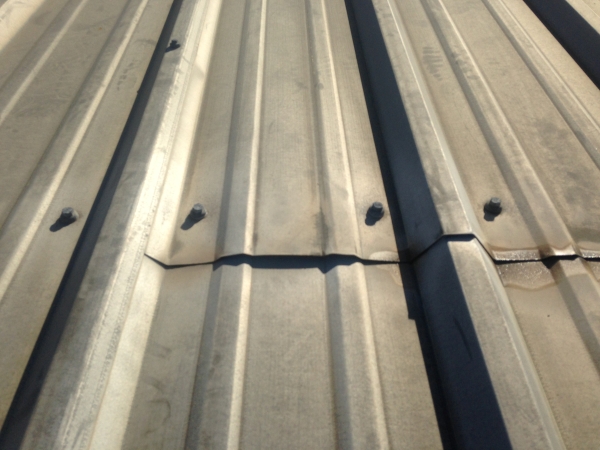
| Membrane surface | At scheduled visits | Cracks, blisters, punctures, seam condition and signs of wear, with photos |
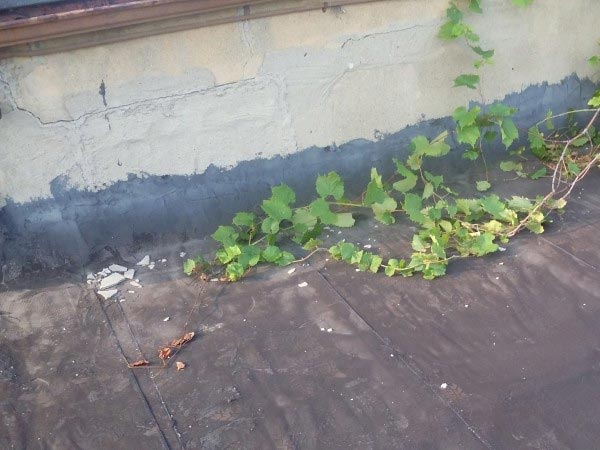
| Flashing and sealants | At scheduled visits | Separations, open laps and failed sealant at walls, curbs and edges |
| Penetrations and rooftop equipment | At scheduled visits | Condition of seals around pipes, vents and equipment, and traffic damage near units |
| Ponding and low spots | When recurring ponding or drainage concerns are being evaluated | Locations where water stands and whether it is recurring |
| Storm check | After a specific storm event when visible damage, leaks, or other conditions justify a closer review | Visible damage, displaced materials and areas needing closer review |
| Records | After every visit | Dated written findings, photos and recommended actions, kept in one log |
Consistent records matter later. A dated log of inspections, photos, repairs, and recurring conditions shows how the roof has changed over time and gives the owner evidence when deciding between continued maintenance, repair, restoration, or replacement. A useful report should identify the areas reviewed, the conditions observed, any limitations on the inspection, and the recommended next step for each material issue.
Roof access should be left to trained professionals. Roof surfaces carry fall risks and can be damaged by foot traffic.
How Often Maintenance Visits Make Sense
There is no single maintenance interval that fits every commercial roof. The schedule should reflect the roof system, current condition, repair history, drainage, rooftop traffic, equipment work, exposure, and any written manufacturer or warranty requirements that apply. Additional reviews may be appropriate after a specific storm event, a new leak, visible damage, or work by another trade on the roof.
Reading the Findings: Maintenance, Repair or Restoration
Each visit should end with a clear recommendation. Findings can be grouped into three practical next-step categories:
- Keep maintaining: The roof remains serviceable and observed conditions can be handled through routine cleaning, monitoring, or minor maintenance within the documented scope.
- Repair now: Localized damage such as flashing defects, open seams, punctures, or other confirmed defects may require repair before the condition expands. See Anderson’s commercial roof repair page.
- Evaluate restoration or replacement: Broad deterioration, repeated failures, confirmed moisture, or substrate concerns may justify comparing restoration or replacement with continued spot repair.
A stain or a single leak does not establish the full roof condition. The recommendation should rest on documented findings from the roof assembly and the areas relevant to the reported problem.
When Maintenance Gives Way to Restoration
A commercial roof coating or restoration system can be considered when the existing roof is dry and structurally sound but showing surface wear. Anderson provides silicone roof coatings and restoration for commercial roofs. Restoration is not suitable for every roof. Confirmed wet insulation, deteriorated decking, incompatible materials, or broad failure can change the scope. The written proposal should state what preparation, repairs, moisture investigation, product requirements, and exclusions are included before a coating or restoration decision is made.
What to Include in a Written Maintenance Agreement
- Visit schedule: How scheduled visits are defined and what conditions trigger additional review.
- Scope: The items checked on each visit and the areas of the roof covered.
- Reporting: Written findings with photos and a recommended action for each issue.
- Repairs: What maintenance or minor repairs, if any, are included during a visit and how larger repair work is documented and approved.
- Warranty coordination: Any known manufacturer, system, or workmanship maintenance requirements that the building owner is responsible for following.
- Access and safety: How crews reach the roof and how occupants are kept informed.
Commercial Roof Maintenance from Anderson Industrial Roofing
Anderson Industrial Roofing provides commercial roof inspections, repair, maintenance, and restoration-related services. Its commercial roofing services page provides broader service context. For a Hurst building, call 866-949-8016.
Frequently Asked Questions
How often should a commercial roof be inspected?
There is no single interval for every roof. Frequency should reflect the roof system, condition, repair history, drainage, rooftop traffic, exposure, and any written maintenance requirements that apply.
What should a roof maintenance report include?
Dated findings, the areas reviewed, photos where useful, observed drainage and flashing conditions, inspection limitations, and a recommended next step for material issues.
Does regular maintenance mean the roof will not need a coating or replacement?
No. Maintenance documents conditions and can address routine needs, but documented deterioration, repeated failures, moisture, or substrate concerns may still justify restoration or replacement evaluation.
Can any commercial roof be restored with a coating?
No. Coating suitability depends on moisture, substrate condition, adhesion, drainage, repairs, compatibility, and the requirements of the selected restoration system.