


Commercial roof damage in Fort Worth, TX can look simple from inside a building even when the cause is not. A ceiling stain, recurring drip, loose flashing, or visible membrane defect is a reason to investigate, not enough evidence by itself to decide the repair scope. The useful question is whether the problem is localized or whether the inspection shows conditions that require a broader roof assessment.
Anderson Industrial Roofing provides commercial roof repair and replacement services for Fort Worth properties. A repair decision should begin with documented roof conditions, the extent of any moisture or material damage, and a written scope that explains what will be repaired and what remains uncertain.
What Commercial Roofing Services Can Help Protect Your Business?
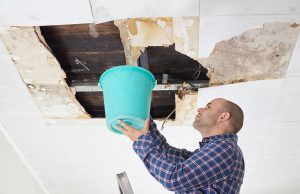
Commercial roof problems often involve seams, flashing, penetrations, drainage, or localized membrane damage. The right service depends on what an inspection actually finds.
- Roof inspection: The contractor should identify the visible defect, review adjacent roofing, and determine whether moisture or deterioration appears limited or more widespread.
- Leak diagnosis: Water can travel through a roof assembly before becoming visible inside, so an interior stain does not prove where the roof is leaking or how much of the assembly is affected.
- Localized repair: A targeted repair may be appropriate when the defect is clearly defined and the surrounding membrane, flashing, insulation, and deck remain serviceable.
- Broader assessment or replacement: When multiple areas are failing, moisture extends beyond one repair zone, or the roof assembly has widespread deterioration, a larger repair scope or commercial roof replacement may need to be evaluated.
How to Tell Whether Your Roof Needs a Repair or a Closer Look
A visible symptom is a starting point. The inspection should connect that symptom to evidence from the roof before the contractor defines the repair.
| Observed condition | What the inspection should confirm | How it affects scope |
|---|---|---|
| Separated seam or lap | How much seam is affected, whether nearby seams show similar deterioration, and whether surrounding materials remain suitable for repair | A defined seam repair may be reasonable when the problem is isolated |
| Flashing problem at a wall, curb, or edge | The full flashing detail, attachment, sealants, adjacent membrane, and signs of related damage | The repair should address the confirmed detail, not only the most visible opening |
| Leak near a vent, drain, or rooftop penetration | The penetration detail, surrounding roofing, drainage, and whether water has traveled beyond that location | Scope depends on the actual entry point and surrounding condition |
| Interior stain or suspected moisture | Potential entry points and whether further moisture investigation is needed to define the affected area | A stain alone does not establish whether the repair is small or broad |
Roof-level diagnosis should be left to qualified roofing professionals. Commercial roofs can have slippery surfaces, openings, edges, equipment, and concealed weak areas that create fall and access hazards. Building staff can document interior symptoms and visible ground-level conditions without climbing onto the roof.
What a Commercial Roof Repair Quote Should Include
Once the problem is identified, the written quote should define the affected roof area, the confirmed defect, preparation, proposed repair material or method, major exclusions, and how concealed conditions will be handled if they are discovered. If moisture or substrate investigation is not included, the proposal should say so rather than imply hidden conditions have already been ruled out.
Access planning belongs in the scope too. The contractor should explain how the crew will reach the work area, coordinate around rooftop equipment, protect entrances or occupied areas below, handle debris, and respond if weather interrupts the repair. Those details matter for both safety and business continuity.
When a Localized Repair Is No Longer Enough
A repair can stay localized when the defect is clearly identified, nearby materials remain serviceable, and the available evidence does not show that moisture or deterioration extends into a larger area. A broader assessment is appropriate when leaks recur, several seams or flashing details show similar failure, moisture may extend beyond the visible defect, or previous repairs are no longer holding.
That does not automatically mean replacement is required. It means the owner needs enough evidence to compare continued repair with other options. When replacement is being considered, Anderson Industrial Roofing’s commercial roof replacement information provides additional context for that separate decision.
Commercial Roof Repair in Fort Worth, TX
For a Fort Worth commercial property, the repair decision should follow the evidence: identify the defect, determine whether it is truly localized, confirm important unknown conditions, define access and protection requirements, and document what the repair will and will not include.
Anderson Industrial Roofing serves Fort Worth commercial properties with roofing assessment, repair, and broader project support when the roof condition requires more than one localized fix.
Frequently Asked Questions
How can I tell if a commercial roof leak is a small repair or a bigger problem?
An inspection should confirm the entry point, surrounding membrane and flashing condition, and whether moisture or deterioration extends beyond one area before the scope is set.
Is it safe to inspect a commercial roof myself?
Roof access should be left to qualified professionals. Building staff can document interior stains, drips, and visible ground-level conditions without climbing onto the roof.
What should a commercial roof repair quote include?
Look for the repair location, confirmed defect, preparation, repair material or method, exclusions, access planning, and a clear process for concealed conditions or approved changes.
When should a roof problem get a broader assessment instead of another patch?
A broader assessment is appropriate when problems recur, several details show similar deterioration, moisture may extend beyond one repair area, or previous repairs are no longer holding.