

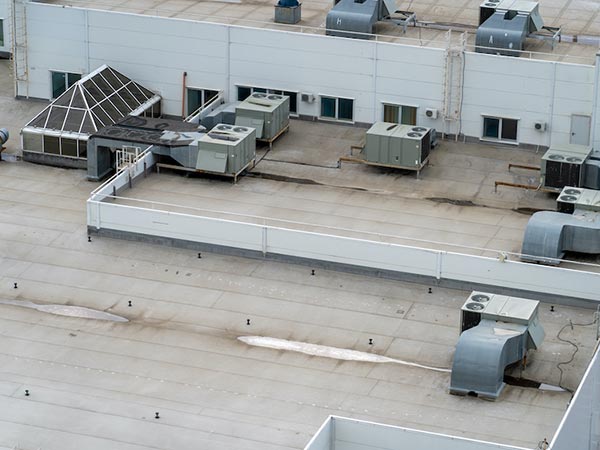
For a McKinney property manager, a flat roof is easy to overlook until water damage appears inside the building. Regular commercial roof inspections catch small problems while they are still affordable to repair, but the process must be thorough to provide real value. Anderson Industrial Roofing helps owners maximize every inspection by applying proven practices that identify issues early.
Call Anderson Industrial Roofing at (866) 949-8016 for commercial roof inspections in McKinney, TX.
Preparation Improves Commercial Roof Inspections
A little preparation before the inspector arrives turns a routine inspection into a more productive evaluation. Gather prior service records and warranty paperwork, mark where interior stains have appeared, and clear rooftop access so no area is overlooked.
That interior map matters more than it seems. Water travels sideways along the deck before it drips, so the stain on the ceiling rarely sits under the actual breach. Pointing the inspector to where you have seen water helps them trace back to the entry side, not just the exit.
How to Read a Commercial Roof Inspection Report
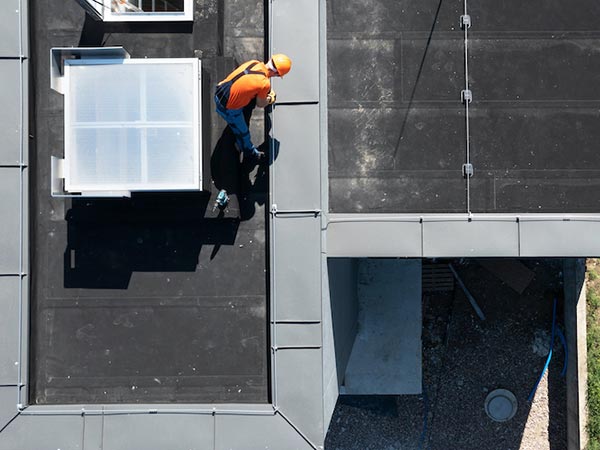
A useful report identifies specific locations, describes conditions, and includes photos rather than simply stating that the roof is aging. Findings like a split seam at a named unit or open flashing at a pipe tell you what to do; general remarks leave you guessing.
Sort the findings before you spend anything. Active leaks and safety items come first, monitoring items go on a schedule, and work is sequenced so one repair does not sit on top of an unresolved problem. A good inspector will help you draw those lines and answer follow-up questions plainly.
Timing Commercial Roof Inspections Around McKinney Storms
When you schedule matters as much as how often. A look after spring storms catches hail bruising and wind-lifted flashing while the damage is fresh, and a late-summer visit finds the wear that heat and standing water leave behind.
Timing also helps with hidden moisture. An infrared survey detects trapped moisture because wet insulation retains heat differently than dry materials, making problem areas easier to identify after sunset. These inspections can reveal hidden issues before they develop into larger repairs.
Building a Roof History Between Commercial Roof Inspections
The value of inspections increases when you keep detailed records between visits. A simple file of dated photos, repair invoices, and past reports lets each new inspection build on the last one instead of starting from scratch, and it shows the inspector exactly what has already been handled. Over a few years, that history becomes one of the most useful tools a property manager has.
Those records pay off in two ways. They surface patterns, like a flashing detail that keeps failing or a drain that clogs every fall, so you can fix the cause instead of the symptom. They also support warranty claims, since manufacturers often want proof that the roof was inspected and maintained on schedule before they honor coverage.
Getting More from Commercial Roof Inspections
The value of commercial roof inspections comes from running the process well: prepare for the visit, insist on a specific report, act on findings in order, and time the visits to the weather. Handled that way, an inspection protects the roof instead of just documenting it.
The best-run buildings treat inspections as a habit rather than a reaction to a leak. Two well-timed visits a year, clear documentation, and timely repairs help prevent expensive surprises.
For commercial roof inspections in McKinney, TX, contact Anderson Industrial Roofing at (866) 949-8016 today.
FAQ
How often should a commercial roof be inspected?
Twice a year is a sound baseline, usually spring and fall, plus a look after any major storm so new damage is caught before the next rain.
Who should perform a commercial roof inspection?
A qualified commercial roofer should perform the inspection because flat systems require someone who understands how seams, flashings, and drainage components fail.
What does an infrared roof scan show?
It reveals moisture trapped under the membrane by picking up heat that wet insulation holds after sunset, pointing to problems the eye cannot see from the surface.