

A commercial roof inspection gives a building owner a documented picture of accessible roof conditions and visible signs that may need maintenance, repair, monitoring, or further evaluation. For Rockwall owners and property managers, the goal is to learn what is wrong, what can wait and what the roof needs next.
Anderson Industrial Roofing is a family owned commercial roofing company that has served building owners since 1993, with more than 30 years of experience. Commercial roof inspections are among the services it provides to Dallas-Fort Worth properties, including Rockwall. This page explains what an inspection covers and what to expect in the findings. To discuss a building, call (866) 949-8016.
What a Commercial Roof Inspection Covers
An inspection evaluates the roof as a system, not just the surface. The inspector reviews the roofing material, the details where it ends or changes direction, drainage components, rooftop penetrations, equipment areas, and visible signs that may indicate water entry or deterioration. The table below shows the main areas and why each one matters.
| Area | What the inspection looks at | Why it matters |
|---|---|---|
| Membrane or panels | Seams, laps, punctures, blisters, loose or corroded panels and fasteners | Documents defects and locations that may allow water entry or need follow-up |
| Flashings and edges | Walls, curbs, parapets, perimeter metal and sealant condition | Flashing and edge details can become leak sources and should be documented |
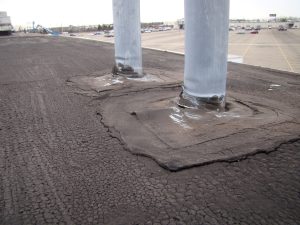
| Penetrations and equipment | Pipes, vents, hatches and rooftop units, including the sealing around each | Equipment areas may involve traffic, penetrations, curbs, movement, or sealant details |
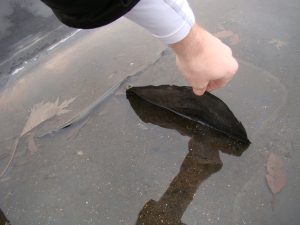
| Drainage | Drains, scuppers, gutters, debris and areas of ponding water | Recurring standing water can indicate drainage, slope, outlet, or substrate conditions that need evaluation |
| Interior signs | Ceiling stains and areas where leaks have been reported | Connects roof observations with reported interior symptoms without assuming the entry point is directly above |
| Prior repairs and coatings | Patches, previous repairs and the condition of any coating | Documents previous work and whether those areas show new or recurring conditions |
Roof access should be handled by trained personnel using appropriate safety procedures because commercial roofs can present fall, access, and surface-damage hazards.
Why Rockwall Roofs Benefit from Regular Inspections
North Texas commercial roofs can be exposed to strong sun, heat, heavy rain, wind, and hail. Those conditions can affect seams, flashings, surface materials, drainage, and rooftop details. A recurring inspection record gives an owner a baseline for comparison, and a review after significant weather can document whether visible roof conditions changed.
What the Findings Should Look Like
A useful inspection ends with something you can act on. Ask what the owner will receive and whether it covers:
- Photographs and location notes: each finding should be tied to a place on the roof so repairs can be priced and checked.
- Cause or likely cause: where the observed evidence supports one, note the probable source or contributing condition and distinguish it from unconfirmed concealed damage.
- Priority: distinguish items needing prompt attention from conditions that can be monitored or handled through maintenance.
- Recommended path: identify whether monitoring, maintenance, repair, additional evaluation, coating or restoration, or replacement should be compared, with the reasoning tied to the findings.
- Limits of the inspection: what was and was not evaluated, such as areas that were inaccessible.
From Inspection to Next Steps
The findings guide the decision. When defects are localized and the surrounding assembly remains serviceable, targeted repairs and maintenance may be enough. Anderson’s guide to commercial roof maintenance explains how routine care helps a roof last. When deterioration, moisture, attachment, or substrate conditions are widespread, commercial roof replacement may be appropriate to compare. A restoration coating may be considered only when moisture, adhesion, drainage, compatibility, and substrate conditions support that scope. The inspection helps establish which options deserve further evaluation.
For Dallas-area properties, Anderson also has a page on commercial roof inspections in Dallas, and the full range of services is on the commercial roofing solutions page.
Questions to Ask Before You Schedule an Inspection
- Who will perform the inspection, and will you receive a written report?
- Does the report include photographs and the location of each finding?
- Will the inspection address interior leak areas as well as the roof surface?
- How are repairs and replacement options explained, and are they priced separately from the inspection?
- What is the process for arranging access, and how will tenants be informed?
Commercial Roof Inspections from Anderson Industrial Roofing
Anderson Industrial Roofing serves commercial properties across the Dallas-Fort Worth area. To talk through a Rockwall building, use the commercial roofing estimate page or call (866) 949-8016.
Frequently Asked Questions
How often should a commercial roof be inspected?
There is no single interval for every commercial roof. Timing depends on the roof system, age, condition, prior repairs, exposure, building use, and any written maintenance or warranty requirements.
What should a commercial roof inspection report include?
A useful report can include photographs, finding locations, probable causes where supported, priorities, recommended next steps, and any areas that could not be evaluated.
Can I inspect my own commercial roof?
Roof access should be handled by trained personnel using appropriate safety procedures because commercial roofs can present fall, access, and surface-damage hazards.
Does an inspection mean I need a new roof?
Not necessarily. Findings may support monitoring, maintenance, localized repair, additional evaluation, restoration, or replacement depending on the documented condition.