

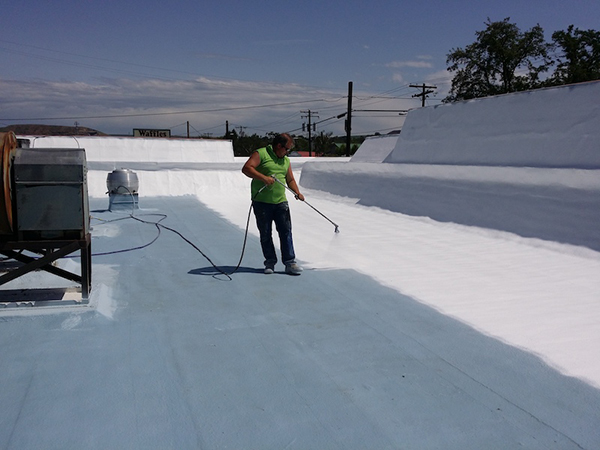
Garland commercial roofs face long summers of heat and UV exposure, followed by periods of heavy rain. When an aging membrane remains stable but needs renewed surface protection, owners can compare continued repairs, replacement, and roof restoration. Restoration may preserve a serviceable assembly while addressing its worn surface.
For roof restoration in Garland, TX, call Anderson Industrial Roofing at (866) 949-8016.
Benefits of Roof Restoration
Full replacement removes existing roofing materials so the assembly can be repaired and rebuilt as needed. It may be the appropriate choice when the deck is damaged or insulation is widely saturated. For a roof that remains suitable for restoration, however, complete removal may be unnecessary.
Restoration typically combines repairs and surface preparation with a compatible coating system. On a qualifying roof, it can reduce upfront costs, provide new coating warranty options, extend service life, and limit disruption to building operations. Each benefit depends on the condition of the roof and the selected system.
Project Costs and Warranty Options
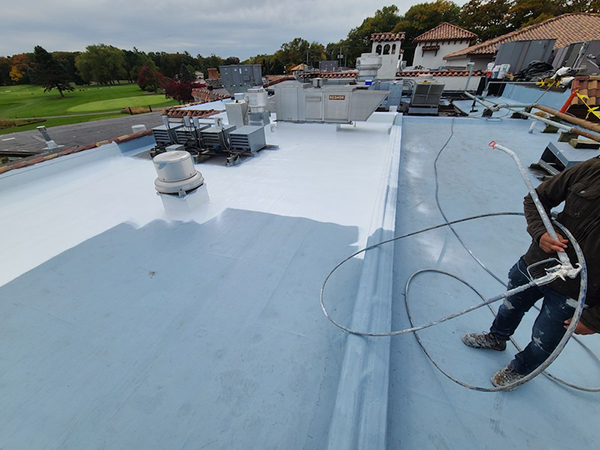
Restoration often costs less than a full tear-off and replacement because it retains suitable portions of the existing assembly. The difference depends on roof size, preparation, required repairs, and coating specifications. Money preserved through restoration can remain available for other building needs, including HVAC work or future roof replacement reserves.
Some restoration systems offer coating warranties of ten to twenty years, depending on the product, thickness, installation requirements, and available coverage. That coverage is separate from the original membrane warranty. Owners should review the proposed warranty’s scope, exclusions, and maintenance requirements when comparing restoration options.
Extend Membrane Service Life
An aging membrane over dry insulation and a sound deck may still have useful service remaining. After damaged seams, flashing, and other details are repaired, a compatible restoration coating provides renewed weather protection. A reflective coating also reduces absorbed solar heat and improves energy efficiency.
A suitable restoration system may add ten to fifteen years of service, depending on the assembly, coating specification, and maintenance. That additional time can help a Garland building owner plan for eventual replacement while continuing to use serviceable roofing materials.
Less Disruption During Work
Tear-off and replacement can involve noise, debris removal, staging areas, and temporary exposure of portions of the roof. Restoration usually involves less removal because the coating is applied over the prepared existing membrane. Localized repairs may still require opening affected areas, and access and protection measures should be planned before work begins.
For an occupied commercial building, reduced tear-off work can make it easier for tenants to continue operating. Owners should still discuss deliveries, rooftop access, odors, and any temporary restrictions with the contractor. A clear work plan helps limit disruption throughout the project.
When Roof Restoration Fits
Restoration fits roofs whose existing assembly remains suitable for continued service after necessary repairs. Evaluating membrane condition, insulation moisture, and deck integrity helps determine whether restoration can meet the building’s needs or whether replacement is more appropriate.
For roof restoration in Garland, TX, contact Anderson Industrial Roofing at (866) 949-8016 today.
FAQ
How long does commercial roof restoration take?
A project may take one to two weeks, depending on roof size, required repairs, preparation, and the number of coats. Weather can extend the schedule because application must meet the coating’s temperature and moisture requirements.
Which types of commercial roofs can be restored with a coating system?
Compatible silicone or acrylic systems may be used on TPO, EPDM, built up, and modified bitumen roofs. Suitability depends on the specific product, required preparation, and the condition of the existing assembly.
Can a restored roof be recoated after its warranty ends?
Often, yes. The existing coating and underlying assembly must be inspected for moisture, damage, and adhesion. When the system remains suitable, preparation, repairs, and a compatible recoat can provide another period of protection.