

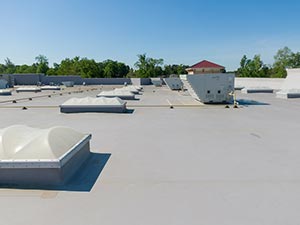
TPO roof installation is a popular choice for commercial property owners seeking a durable, energy-efficient roofing system with long-term value. In Frisco, TX, where commercial roofs are exposed to intense sun, seasonal storms, and temperature fluctuations, TPO roofing provides dependable protection and reliable performance.
Anderson Industrial Roofing offers TPO roof installation services in Frisco, TX. Call (866) 949-8016 to discuss roofing solutions tailored to your building’s needs and long-term performance goals.
A professionally installed TPO roofing system can help improve energy efficiency, reduce maintenance costs, and provide dependable protection for your commercial property for years to come.
What to Expect Before TPO Roof Installation Begins
A TPO roof installation creates a continuous waterproof roofing system by installing a thermoplastic membrane across the roof deck and sealing each seam. Three things determine how well it performs over the years: the membrane itself, the way it is fastened to the building, and how the seams are joined. Each of those is worth understanding before the first roll comes off the truck.
Understanding the TPO Membrane and How It Differs
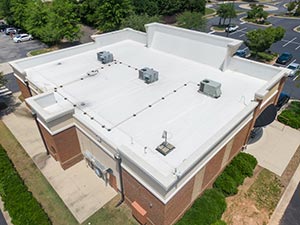
TPO stands for thermoplastic polyolefin, a flexible plastic sheet that comes in wide rolls and is usually white. That white surface reflects sunlight, which helps keep a building cooler through a long Texas summer and takes some load off the air conditioning.
The two systems owners most often compare it with are EPDM and PVC. EPDM is a black rubber membrane that lasts a long time but absorbs heat rather than reflecting it. PVC is another plastic sheet that resists grease well, which is why you see it over restaurant kitchens. TPO sits between them as a reflective, weldable sheet that usually costs less to install, and that balance is why it shows up on so many commercial roofs.
Common TPO Roof Installation Methods
A TPO roof can be secured to the building in one of three ways, and the method changes how the roof handles wind and what your deck needs to carry. A contractor should walk you through which one fits your building.
In a fully adhered system, the membrane is glued across the whole deck. It gives a smooth finished look and strong wind resistance. A mechanically attached system holds the sheet down with fasteners and plates along the seams, which goes on faster and tends to cost less. A ballasted system lays the membrane loose and weighs it down with stone or pavers, an approach only used on structures built to carry the added weight. Most commercial buildings in Frisco end up either fully adhered or mechanically attached.
TPO Roof Installation Via Heat-Welded Seams
The seams are where a TPO roof holds together or starts to leak, so the welding step deserves the most attention. Rather than glue or tape, the crew runs a hot-air welder along every overlap, melting the two sheets into one bonded joint.
Done right, that weld ends up stronger than the membrane around it and leaves no path for water. Done wrong, with the welder run too cool or moved too fast, the seam can look fine on the first day and split open a season later. This is why an experienced crew matters more than the label on the roll, and why a careful installer goes back and probes the finished seams before calling the work done.
Professional TPO Roof Installation
Successful TPO roof installation depends on selecting the right attachment method, ensuring properly welded seams, and paying close attention to the details that affect long-term roof performance. Understanding these key elements helps property owners make informed decisions and evaluate roofing proposals with confidence.
Anderson Industrial Roofing offers TPO roof installation services in Frisco, TX. Call (866) 949-8016 to discuss roofing solutions tailored to your building’s needs and long-term performance goals.
A professionally installed TPO roofing system can help improve energy efficiency, reduce maintenance costs, and provide dependable protection for your commercial property for years to come.
FAQ
What is TPO roofing and how is it different from EPDM or PVC?
TPO is a reflective white plastic membrane, EPDM is a heat-absorbing black rubber sheet, and PVC is a grease-resistant plastic that performs much like TPO.
How is a TPO roof attached to a commercial building, and does the method matter?
It can be fully adhered, mechanically fastened, or ballasted, and the method affects wind resistance, install speed, and what your deck can support.
How long does a commercial TPO roof installation take?
Most run from a few days to a couple of weeks based on size, with rooftop noise and access being the main interruptions to business below.