


Anderson Industrial Roofing provides commercial roofing services in Irving, Texas, including inspection and assessment work. Its commercial roofing estimates in Irving, Texas page provides a related service reference. A useful inspection ends with more than a verbal opinion. The building owner should receive a written record of what was found, where it is, how serious it is and what to do next, so the decision about maintenance, repair or replacement rests on evidence.
This article explains what that record should contain, what an inspection can and cannot tell you, and how the findings lead to a scoped estimate. Anderson Industrial Roofing has been family owned since 1993, with 30+ years in commercial and industrial roofing, and its commercial services include inspections, leak detection and repair, maintenance, coatings, restoration and replacement.
What an Irving Owner Should Receive From a Roof Inspection
Reports vary by company, but the same core pieces make an inspection actionable. The outline below shows how a clear report can be organized. It is a sample of the structure to expect, not a fixed template.
| Report section | What it should contain | How the owner uses it |
|---|---|---|
| Roof and building summary | Address, roof area or section, membrane or panel type if known, approximate age, and the date and conditions of the inspection | Confirms the report covers the right roof and gives a baseline for the next visit |
| Dated photos | Wide shots of each roof area plus close-ups of every defect, each with a date and a location reference | Lets the owner, a manager or an insurer see the condition without climbing onto the roof |
| Defect locations | A marked roof plan or written grid reference for seams, flashings, penetrations, drains, edges and any damaged membrane or panels | Lets a repair crew find each item and lets the owner check later that it was addressed |
| Moisture and access limits | What could not be seen or tested, such as wet insulation below the surface, areas blocked by equipment, or ponding present on the day | Separates confirmed findings from open questions |
| Prioritized actions | Each finding rated as urgent, scheduled repair, monitor, or planning item, with a short reason | Turns a list of defects into a sequence the budget can follow |
| Reinspection triggers | The events or timing that should prompt another look, such as a major storm, new rooftop equipment, or a repair that needs to be rechecked | Keeps the report from being a one-time snapshot |
Dated photos and defect locations
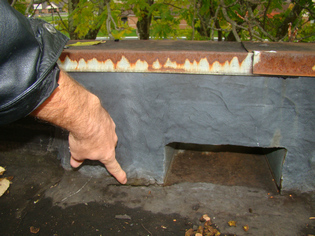
Photos are only useful when they can be matched to a place on the roof. A close-up of a split seam means little without a note of which roof section it is on and how far it is from a drain, wall or rooftop unit. Dates matter just as much, because a later inspection can then show whether a condition has stayed the same or progressed.
A marked roof plan or a simple grid reference lets everyone work from the same map. Property managers, maintenance staff and repair crews can all find the same item without guessing.
Moisture limitations
A visual inspection records what can be seen at the surface. Water that has entered insulation or a deck can stay hidden below a membrane that looks sound, and a dry day can hide a leak path that only shows in rain. A good report states these limits plainly instead of implying that nothing was missed.
When moisture below the surface is suspected, such as a stained ceiling tile under an apparently intact area, the report should say so and recommend how to confirm it. Thermal imaging is one tool some inspectors use to flag possible wet areas, but a thermal pattern is only a lead. It needs to be confirmed by another method, such as a core or moisture probe check, before anyone treats it as proof of wet insulation or prices a repair from it.
Turning Findings Into Prioritized Actions
A long list of defects is hard to act on. Sorting findings by urgency helps the owner spend on the right items first and explain the plan to a lender, tenant or board.
| Priority | What it usually means | Typical next step |
|---|---|---|
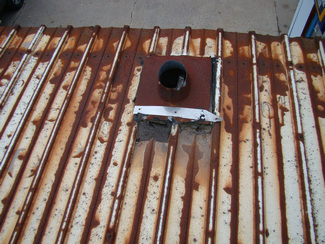
| Urgent | Active leak, open seam or flashing, storm damage or a drainage failure that can let water into the building | Temporary protection if needed, then a scoped repair |
| Scheduled repair | A defect that is not leaking yet but will worsen, such as worn sealant at a penetration or a lifting seam | Included in a planned repair visit |
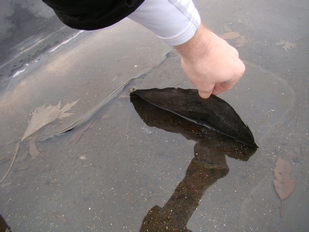
| Monitor | A condition that is stable but should be compared with the last report, such as minor surface wear or a small area of ponding | Photograph again at the next inspection |
| Planning item | Widespread age-related wear or repeated repairs in the same area | Discuss coating, section replacement or full replacement options with a written scope |
Ratings are a judgment, and a written reason beside each one lets the owner question or confirm it. If several items sit in the same area, the report should note that, because grouping nearby repairs into one visit is often more practical than treating each separately.
Reinspection Triggers
A roof does not stay in the condition recorded on the day of the visit. A report is more valuable when it names the events that should prompt another look rather than leaving that to memory. Common triggers include:
- A hailstorm, high-wind event or other severe Texas weather
- New rooftop equipment, cabling or other work that adds foot traffic
- A repair that should be rechecked after rain
- A new leak, stain or damp spot inside the building
- The approach of a planned sale, refinance or lease renewal where the roof condition will be reviewed
Between inspections, routine upkeep matters too. The commercial roof maintenance guide covers the regular care that keeps small defects from growing.
Who Receives the Report and How It Informs an Estimate
The report can be shared with the people who make and carry out roof decisions: the owner or asset manager, the facilities or maintenance lead, and any contractor asked to price the work. Sharing the same dated photos and defect map means every estimate describes the same conditions.
The report then becomes the basis for a scoped estimate. Each repair item, each area to be treated and each item that needs further investigation can be listed separately, so the owner can compare scopes and see what is included. If the findings point toward larger work, the owner can review options such as commercial roof replacement with a clear record of why. The wider range of services is described on the commercial roofing services page.
A cost for inspection or repair should be given in writing by the contractor for the specific roof. Pricing and any additional investigation should be confirmed in the written scope for the actual building.
Roof Inspections for Irving and the Dallas-Fort Worth Area
Anderson Industrial Roofing serves commercial and industrial buildings across the Dallas-Fort Worth service area, including Irving. Texas heat, strong storms and sudden rain all put stress on flat and low-slope roofs, and regular inspections give owners a record to compare from year to year.
To ask about an inspection, call (866) 949-8016 or use the roof inspection estimate page. You can also contact Anderson Industrial Roofing with questions about an ongoing maintenance program.
Frequently Asked Questions
How often should a commercial roof be inspected?
Many owners schedule inspections on a regular cycle and add one after severe weather or major rooftop work. The right schedule depends on the roof type, its age and its history, so ask the contractor to recommend one in writing.
Does an inspection find every leak?
No. An inspection records visible conditions and likely leak paths. Hidden moisture or an intermittent leak may need follow-up investigation, and a good report states what could not be confirmed.
Will the report include photos?
Request dated photos tied to specific locations; whether these are included should be confirmed in the inspection scope.
What should happen after an inspection report is delivered?
The owner reviews the prioritized actions and asks for a scoped estimate for the repairs or maintenance chosen. Larger findings can be discussed with options and a written scope.