

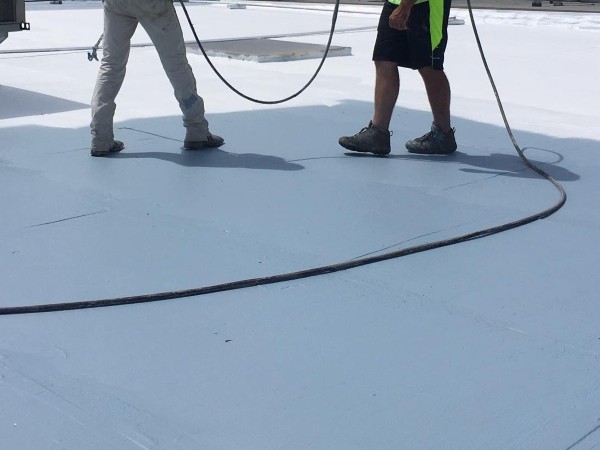
A roof coating can be a practical restoration option for some commercial roofs in Tyler, TX, but it should be selected only after the existing roof is evaluated for moisture, adhesion, substrate condition, drainage, and compatibility. A coating adds a protective surface layer. It does not automatically correct wet materials, damaged decking, failed flashing, or drainage problems.
Anderson Industrial Roofing is a family-owned company that has served roofing clients since 1993 and provides commercial roofing in Tyler and across Texas. For a Tyler property owner, the useful question is not whether coatings have general benefits. It is whether the existing roof is a suitable candidate for Anderson’s commercial coating and restoration service.
What a Commercial Roof Coating Does
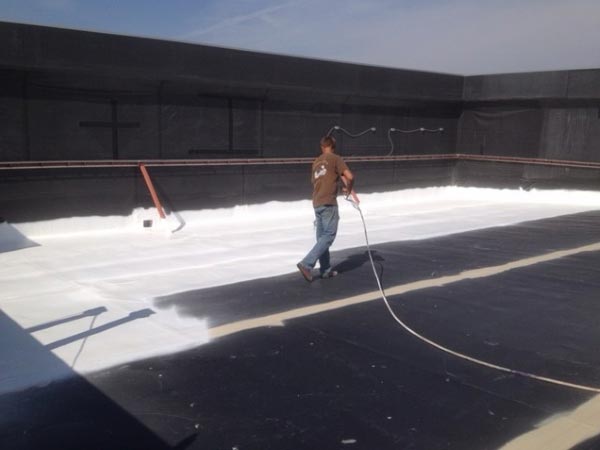
A commercial roof coating is a liquid-applied material that cures into a continuous protective surface over an existing roof. Depending on the selected product and roof assembly, a coating may help protect the existing surface from ultraviolet exposure and weather while extending the usefulness of a roof that remains a sound restoration candidate.
Reflective coatings can also reduce solar heat absorbed at the roof surface, but whole-building energy results vary. Insulation, HVAC efficiency, building use, roof construction, coating properties, and climate conditions all affect whether a measurable cooling benefit occurs. Anderson’s commercial roof coating service page describes the company’s coating and restoration offering.
Five Conditions That Affect Coating Candidacy
A coating decision should start with the condition of the existing roof, not with the assumption that every aging roof can be restored. The table below summarizes five areas that can affect the scope.
| Condition | What May Support a Coating Scope | What May Need Correction or Further Evaluation |
|---|---|---|
| Moisture | The roof assembly does not show evidence of a broad moisture condition that would undermine the restoration plan. | Suspected or confirmed wet insulation, substrate deterioration, or concealed moisture that requires investigation before coating. |
| Adhesion | The existing surface is stable and can be prepared so the proposed coating can bond as specified. | Loose, blistered, delaminated, contaminated, or poorly bonded materials that need repair or removal first. |
| Substrate | The roof deck and supporting assembly are suitable for the proposed restoration scope. | Deteriorated decking, structural concerns, or damaged underlying materials that a surface coating cannot correct. |
| Drainage | Drains, scuppers, gutters, slope, and outlet conditions allow the roof to move water as intended. | Recurring ponding, blocked outlets, low areas, or other drainage conditions that need their own solution. |
| Compatibility | The proposed coating is compatible with the existing roof material and any prior coating or repair materials. | Existing materials, contaminants, or prior coatings that interfere with the specified restoration system. |
Moisture Needs More Than a Visual Guess
Interior staining or a visible surface defect can show that further investigation is needed, but it does not prove how far moisture has traveled within the roof assembly. Water can move laterally through insulation, seams, deck interfaces, and other materials before it appears inside the building.
A professional roof inspection and estimate can document surface condition, seams, flashing, penetrations, drainage, previous repairs, and visible moisture indicators. When concealed moisture is a concern, the contractor should explain what can be confirmed from the initial assessment and whether additional testing or selective investigation is appropriate.
Preparation and Repairs Come Before Coating
A coating should not be used to hide defects that already require repair. The project scope may include cleaning, removal of loose material, treatment of damaged seams or flashing, localized membrane repair, and other preparation required by the existing roof and selected coating system.
The proposal should identify which repairs are included and which conditions could change the scope after work begins. That makes it easier for a property owner to compare a restoration proposal with a repair-only or replacement option without assuming that all three are solving the same problem.
Drainage Is a Separate Roof Condition
Coating the surface does not automatically correct poor slope, blocked drains, low areas, or an outlet configuration that does not move water properly. If water repeatedly remains on the roof, the drainage condition should be evaluated separately.
Some localized roof shaping may be part of a broader restoration project when technically appropriate, but a coating should not be described as a universal drainage solution. The cause of recurring ponding or slow drainage needs to be understood before the final scope is set.
When Repair or Replacement May Make More Sense
Targeted repair may be more appropriate when the roof is generally serviceable but has isolated defects that do not justify a full restoration. A larger replacement discussion may be appropriate when the roof has broad deterioration, widespread moisture, substrate problems, repeated failures, or another condition that prevents a coating system from addressing the underlying issue.
The choice should follow the actual roof condition, not a fixed age or a sales preference. Anderson’s Tyler service area information provides broader context for its commercial roofing work in the market.
What to Ask Before Approving a Coating Project
A useful proposal should identify the existing roof system, preparation, repairs, coating type, application requirements, flashing and penetration work, drainage-related exclusions, access needs, and how additional concealed conditions will be handled. Property owners should also ask how the contractor will confirm that the prepared surface is suitable for the selected product.
If an existing roof carries a written warranty, review its terms before authorizing a new coating or repair system. Warranty requirements vary by roof and manufacturer, so they should be checked for the specific building rather than assumed from a general rule.
Maintaining a Coated Commercial Roof
A coated roof still needs condition-based inspection and maintenance. Drains and gutters should remain clear, rooftop traffic should be managed, and new damage should be addressed before it spreads. The inspection schedule should reflect the roof system, building use, prior repairs, debris exposure, severe weather, and any written maintenance requirements that apply.
There is no single annual or seasonal interval that fits every coated roof. Additional review may be appropriate after severe storms, rooftop equipment work, a new leak, or visible surface damage.
Roof Coating in Tyler, TX
For a Tyler commercial property, a roof coating should be considered only after the existing roof is evaluated for moisture, adhesion, substrate condition, drainage, compatibility, and repair needs. A sound restoration decision explains why the roof is a suitable candidate and which conditions must be corrected before coating begins.
Anderson Industrial Roofing serves Tyler and other Texas markets with commercial roofing services, including silicone roof coatings and restoration. Property owners can contact the company at (866) 949-8016 to discuss the roof and the options that may fit the building.
Frequently Asked Questions
What kinds of commercial roofs can be coated?
Several commercial roof types may be coating candidates, but suitability depends on the existing material, surface condition, moisture, drainage, preparation needs, and compatibility with the selected coating system.
Will a roof coating stop an existing leak?
Not by itself. The leak source and any damaged seams, flashing, membrane, insulation, substrate, or drainage conditions should be identified and addressed as part of the project scope.
How long does a commercial roof coating last?
Service life depends on the coating system, application, existing roof condition, weather exposure, maintenance, rooftop traffic, and other project-specific factors rather than one universal number.
Can a reflective coating lower cooling costs?
It can reduce solar heat absorbed at the roof surface, but actual building energy results depend on insulation, HVAC efficiency, building use, roof construction, climate, and the selected coating.