

Commercial buildings in Irving, TX face intense weather conditions ranging from scorching summer heat to heavy storms and sudden temperature changes. These environmental stresses can quickly deteriorate roofing systems, leading to costly repairs and operational disruptions. One proven solution for protecting commercial properties is roof coating, a technology designed to reinforce existing roofs against extreme weather without requiring full replacement. For professional insight into whether roof coating is right for your facility, Anderson Industrial Roofing offers expert support, call 866-949-8016 to discuss protective roofing solutions tailored to your property.
Roof coating is more than a maintenance upgrade; it is a strategic protective layer engineered to strengthen commercial roofing systems against environmental damage. Understanding how a coating functions helps building owners make smarter long-term decisions about property protection and cost management.
Understanding Roof Coating Systems
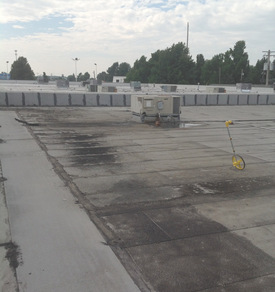
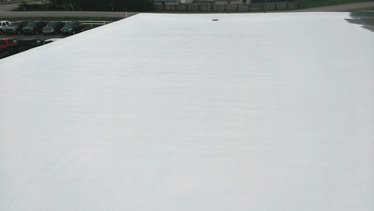
A roof coating is a liquid-applied membrane installed directly over an existing commercial roof. Once cured, it forms a seamless, waterproof barrier that shields the structure from weather-related wear and tear.
Commercial roofs endure constant exposure to ultraviolet radiation, rain, hail, wind uplift, and thermal expansion. Over time, these forces cause cracking, seam separation, and membrane deterioration. Coating systems address these vulnerabilities by adding an additional protective layer rather than removing the original roof.
Common roof coating materials include:
Acrylic coatings: highly reflective and effective in hot climates
Silicone coatings: excellent resistance to standing water and severe storms
Polyurethane coatings: durable options for roofs exposed to heavy foot traffic or impact
Because coatings adapt to many roofing substrates, they are widely used on warehouses, office buildings, retail centers, and industrial facilities.
How Roof Coating Protects Against Extreme Weather
Extreme weather remains one of the biggest threats to commercial roofs. Roof coating technology works by minimizing the impact of environmental stressors before they cause structural damage.
Heat and UV Protection
Irving’s high temperatures can accelerate roof aging. Prolonged sun exposure causes materials to dry out, crack, and lose flexibility. Reflective roof coatings bounce sunlight away from the building, reducing roof surface temperatures and slowing material degradation.
Lower surface temperatures also decrease indoor heat gain, which can reduce cooling system strain and energy costs for commercial operations.
Waterproofing During Heavy Rain
Storm systems can expose weaknesses in aging roofs. Even small openings allow moisture to penetrate insulation and interior spaces. Roof coatings create a continuous waterproof membrane that seals seams, fasteners, and minor surface defects.
This seamless design prevents water intrusion and protects valuable equipment, inventory, and workspaces from damage.
Resistance to Wind and Storm Impact
Strong winds and severe storms can loosen roofing materials or exploit weak attachment points. Roof coatings reinforce the roof surface, improving adhesion and flexibility. This added resilience allows roofing systems to expand and contract during rapid weather shifts without cracking.
The result is a roofing system better equipped to withstand sudden environmental stress.
The Coating Application Process
Commercial building owners often wonder what happens during a roof coating project. The process is structured to maximize performance while minimizing operational disruption.
Inspection and Condition Assessment
Professionals evaluate the roof’s structure to confirm it is suitable for coating. While surface wear is acceptable, the underlying roof must remain structurally sound.
Surface Preparation
Thorough cleaning removes dirt, debris, oils, and loose materials. Proper preparation ensures strong bonding between the coating and the roof surface.
Repairs and Reinforcement
Technicians repair damaged seams, flashing, and penetrations before coating begins. Reinforcement materials may be added to vulnerable areas.
Coating Application
The coating is sprayed or rolled across the roof in measured layers to achieve uniform thickness and protection.
Curing and Final Inspection
Once cured, the coating forms a seamless protective barrier. A final inspection verifies complete coverage and performance readiness.
Because the existing roof remains intact, businesses typically experience minimal interruption during installation.
Roof Coating Experts
Extreme weather events are becoming more unpredictable, making preventive roofing strategies essential for commercial properties. Roof coating offers a practical solution that enhances durability, improves efficiency, and safeguards business operations against environmental stress.
For commercial facilities in Irving, TX, investing in roof coating can significantly reduce long-term risk while extending the performance of existing roofing systems. Anderson Industrial Roofing helps building owners evaluate their roofs and implement solutions designed for real-world weather conditions. To learn how roof coating can protect your property from extreme weather, contact 866-949-8016 today and take a proactive step toward stronger building protection.
FAQ
Can roof coating be applied over an existing commercial roof?
Yes. Most structurally sound commercial roofs can receive coatings, eliminating the need for full replacement.
Does roof coating improve energy efficiency?
Reflective coatings reduce heat absorption, helping lower indoor cooling demands and energy consumption.
Is roof coating effective during severe storms?
Properly installed coatings provide waterproofing and flexibility that help roofs withstand heavy rain, wind, and temperature changes.
How long does a roof coating installation take?
Project timelines vary by roof size and condition, but most commercial coating applications are completed faster than roof replacements.