

Roof maintenance for a commercial building in Frisco, TX works best as a written schedule: what gets checked each season, who does it, how it is recorded and what triggers a repair. Anderson Industrial Roofing provides roof maintenance for commercial properties in Frisco. This page turns inspection findings into a practical plan an owner or facility manager can follow, with a clear line between what staff can safely observe and what belongs to a roofing contractor.
Maintenance cannot guarantee a roof will never leak. A documented schedule helps identify blocked drains, deteriorated seams and flashing defects while there is an opportunity to plan repairs. To set up a maintenance plan for your building, call Anderson Industrial Roofing at (866) 949-8016.
Roof Maintenance During the DFW Spring Storm Season
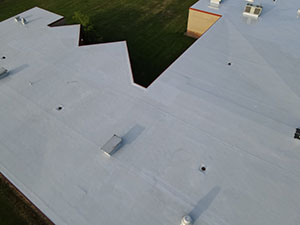
Spring weather across the Dallas-Fort Worth area often brings thunderstorms, hail, heavy rain and strong winds, which can stress a commercial roof in a short time. A pre-season visit focuses on flashing, seams, drainage components and rooftop penetrations so the roof goes into storm season with known weak points addressed.
After a major storm, an inspection can find damage that is not visible from the ground. Hail can weaken roofing materials, and wind-driven debris can puncture or scrape the membrane. Documenting damage allows the owner to set an appropriate repair scope, whether or not an interior leak has appeared.
A Seasonal and Post-Storm Maintenance Matrix
The matrix below separates what owners and building staff can observe safely from the work a contractor does on the roof. Staff should not walk or climb onto the roof. Interior signs, views from the ground and views from safe, building-provided vantage points are enough to decide when to call.
| When | Safe owner observations (no roof access) | Contractor work on the roof | Priority | Follow-up trigger |
|---|---|---|---|---|
| Spring, before storm season | Interior ceiling stains or damp spots, water marks near walls, drain or downspout flow seen from the ground | Check flashing, seams, penetrations and drains; clear debris; note loose or lifted edges; photograph conditions | High for open seams or failed flashing; medium for debris and minor wear | A confirmed leak or open seam requires prompt professional assessment and a defined repair response |
| After hail or high wind | Visible debris, dented rooftop equipment or gutters seen from the ground, new interior leaks | Inspect for punctures, scrapes, displaced materials and damaged flashing; photograph and record locations | High when the membrane is punctured or water is entering the building | Damage observations or a storm significant enough to warrant a post-event inspection |
| Summer, heat season | New ceiling discoloration or recurring moisture symptoms; visible roof changes from safe building locations | Inspect membrane for cracking, shrinking or separation, and seams and flashings around equipment | Medium for early wear; high where seams are separating | Visible membrane changes, or repeated sealant failures at the same detail |
| Any heavy rain | Water standing on the roof after rain, seen from a window or a safe vantage point; overflow at scuppers | Clear drains and scuppers; mark low areas where water collects; check for ponding | Medium, rising to high if ponding persists | Repeated standing water after rainfall or the same drain obstructing repeatedly |
| Fall, before winter | New interior moisture or staining near roof edges; note that condensation can have other causes | Check sealants, flashing, drains and earlier repairs; confirm earlier work is holding | Medium | Failed earlier repair, or sealants cracking as temperatures change |
How to Read the Priority Levels
- High: active water entry, an exposed puncture or an open seam or flashing. Arrange prompt professional assessment and repair as appropriate; isolate unsafe interior areas when needed.
- Medium: early wear, recurring debris or ponding without confirmed leakage. Record and investigate within a defined timeframe, escalating where the condition worsens.
- Low: documented surface changes without evidence of distress. Record the location and compare it at the next appropriate visit.
Preparing Roof Maintenance Plans for North Texas Summers
Frisco summer heat exposes commercial roofs to prolonged sunlight and changing temperatures. Depending on roof color and assembly, heating and cooling can cause repeated expansion and contraction known as thermal cycling. Over time it can stress seams, flashing details and the areas around rooftop equipment.
A summer visit looks at the membrane surface for cracking, shrinking or separation, particularly where the sun exposure is greatest. Findings are logged by location so the next visit can show whether a spot is changing.
Roof Maintenance and Drainage Performance
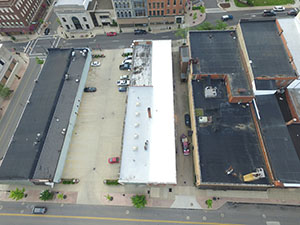
Intense rainfall can challenge roof drainage, so drains, scuppers and overflow routes should be assessed for obstruction and damage. Drainage inspections check for leaves, dirt and storm debris around drains, since even a partial blockage can leave standing water after a storm.
Visits also look for low areas where water collects. Marking and photographing those spots lets the owner track whether ponding is getting worse. Persistent ponding is a drainage or structural issue, and cleaning drains alone will not correct it. When a roof keeps ponding or keeps needing repairs at the same details, ask the contractor whether commercial roof replacement should be part of the planning discussion.
Fall Roof Maintenance Before Winter Weather Arrives
Frisco winters are generally moderate, but cold fronts and freezing temperatures still affect commercial roofs. Fall is a good time to check sealants, flashing, drainage and any repairs made earlier in the year, and to confirm that earlier work is holding. Where defects are found, the contractor should define compatible corrections rather than assume routine cleaning or re-sealing is adequate.
Keeping Records and Tracking Warranty Requirements
A schedule only helps if completed work is recorded. For each visit, keep the date, the person who did the work, photographs of the areas checked, what was found, what was done and what remains open. Photograph the same locations each time so changes are easy to compare.
If the roof has a manufacturer or contractor warranty, read its maintenance and notification requirements and ask the contractor to follow them. Some written warranties specify inspections, approved repair methods or notice obligations; the actual terms determine whether a failure to follow them affects coverage. Terms differ by product and agreement, so confirm them in writing and keep a copy with the maintenance file. Do not assume any plan will satisfy a warranty without checking.
When Maintenance Findings Become Repairs
Each unresolved item should have a roof location, observed condition, priority, assigned next action and a follow-up date. Keep evidence of repair completion with the original observation. If a defect is outside the agreed maintenance scope, the owner should receive a separate repair recommendation rather than assume it was corrected during the visit.
Maintenance and roof repair are separate steps. The log should show when an open item becomes a repair: a confirmed leak, an open seam, failed flashing or a drain that keeps blocking. Documenting severity and the next action helps the owner avoid treating a needed repair as routine maintenance. For the broader Frisco service picture, see commercial roofing in Frisco.
The Long-Term Benefits of Roof Maintenance
A structured program helps owners stay ahead of problems caused by weather, drainage and normal wear. It does not remove the risk of a leak, and the roof’s age, system type and condition still limit what maintenance can do. What it does provide is earlier detection, documented condition, more predictable repair budgeting and better information for deciding when a roof should be repaired, coated or replaced.
For roof maintenance in Frisco, TX, call Anderson Industrial Roofing at (866) 949-8016.
Frequently Asked Questions
How often should a commercial roof be maintained in the Frisco, TX area?
Spring and fall are common review points, with additional inspections when events or symptoms justify them. The appropriate schedule follows the roof system, condition and any written warranty requirements.
What can building staff safely check themselves?
Interior ceiling stains, damp spots, visible debris or overflow seen from the ground, and standing water seen from a safe vantage point. Staff should not walk on the roof. Roof-level checks belong to a contractor.
What maintenance should be completed before summer heat peaks in North Texas?
Have seams, flashing, drains, rooftop penetrations and membrane surfaces evaluated before peak temperatures, and record any findings. The findings should identify changes that need compatible repair or monitoring.
How do temperature swings in Frisco affect flat roofing membranes?
Daily expansion and contraction can stress seams, flashing and areas around equipment over time, so the inspection should assess actual conditions rather than assume that visible wear proves a leak.