

A commercial roof inspection gives a Bedford building owner a documented picture of accessible roof conditions and visible signs that may need maintenance, repair, monitoring, or further evaluation. A useful inspection identifies what was found, where it was found and what should be done about it, in a written report the owner can act on.
Anderson Industrial Roofing is a family owned commercial roofing company that has served building owners since 1993, with more than 30 years of experience. This page explains what a commercial roof inspection in Bedford, TX should cover, what the report should contain and how to use the findings. To discuss an inspection, call (866) 949-8016.
What a Commercial Roof Inspection Covers
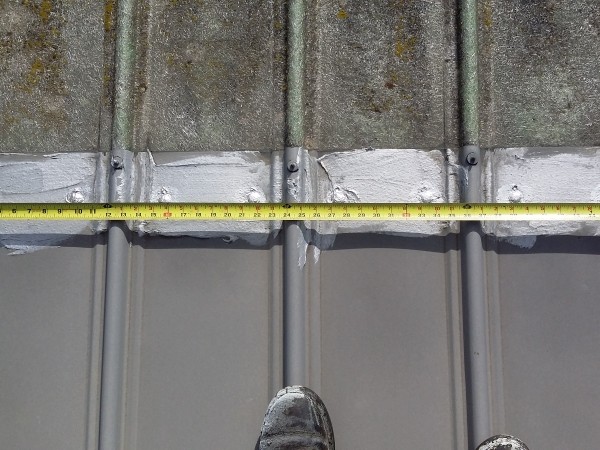
An inspection reviews the accessible roof system rather than assuming the visible interior symptom marks the point of entry. The inspector typically reviews the roof surface, seams and laps, flashings, edges, drains, penetrations and rooftop equipment, along with interior signs of moisture such as ceiling stains. Anderson’s commercial roof inspection information describes how the process works for Dallas-Fort Worth properties.
Roof access is handled by trained professionals. Roof access should be handled by trained personnel using appropriate safety procedures because commercial roofs can present fall, access, and surface-damage hazards.
What the Inspection Report Should Include
The report is the deliverable, so ask what it will contain before you schedule the work. Use this table to judge whether a report is detailed enough to plan from.
| Area | What the report should note | Why it matters |
|---|---|---|
| Membrane or surface | Seams, laps, blisters, splits, punctures, ponding stains and surface wear | Shows the condition of the main waterproofing layer |
| Flashings and edges | Walls, curbs, parapets, edge metal, counterflashing and terminations | Flashing and edge details can become leak sources and should be documented |
| Penetrations and equipment | Pipes, vents, skylights, rooftop units and their curbs and sealants | Equipment areas may involve traffic, vibration, penetrations, curbs, or sealant details |
| Drainage | Drains, scuppers, gutters, downspouts, debris and low spots | Drainage restrictions or recurring standing water can indicate conditions that need further evaluation |
| Deck and insulation clues | Soft spots, sagging, interior stains and signs of trapped moisture | Signs of concealed moisture can justify additional testing or a broader repair scope |
| Previous repairs | Patches, sealant, coating and unfinished work | Previous repairs can help identify recurring or repeatedly treated areas |
Photos and notes tied to specific locations on the roof make findings easier to act on. Ask whether the report separates urgent items from routine ones, and whether it states clearly what the inspector could not check.
Reading and Prioritizing the Findings
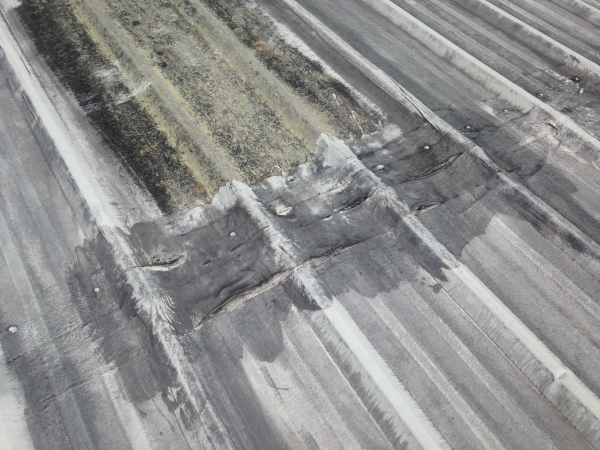
Not every finding calls for the same response. A useful report can distinguish findings by priority, such as items needing prompt attention, conditions that should be monitored, and routine maintenance. The assigned priority should reflect the observed condition, moisture evidence, roof system, and risk rather than a fixed rule for every defect.
The report should connect findings to a reasonable next step, such as monitoring, roof repair, maintenance, additional evaluation, or a broader replacement comparison when the documented condition supports it. Keep the written report on file, because comparing it with future inspections shows whether conditions are changing.
The findings can also support budgeting. When the report identifies priorities and the likely scope of follow-up work, the owner can plan repairs in sequence, account for building operations, and compare maintenance, repair, restoration, or replacement where appropriate. A report that only lists problems without locations or priorities leaves those decisions to guesswork.
When to Schedule a Commercial Roof Inspection
Inspections are useful at several points:
- On a regular schedule: routine inspections help catch wear early. Anderson’s commercial roof maintenance tips explain how inspections fit into longevity planning.
- After significant weather: when conditions may have affected the roof, an inspection can document visible roof conditions for maintenance, repair, or any separate insurance process.
- During property due diligence: a current report can document roof condition and identify items that may affect near-term planning.
- When interior leaks or stains appear: an inspection can help trace possible roof entry points; the visible stain does not by itself establish where water entered.
- Before planning major work: findings can help define whether maintenance, repair, coating/restoration, replacement, or additional evaluation should be compared.
Questions to Ask Before You Hire an Inspector
- What parts of the roof and which roof systems will be covered?
- Will the report include photos, a roof diagram and location-specific notes?
- Are findings ranked by urgency?
- What is outside the inspection, such as interior areas or structural evaluation?
- Who explains the report, and what follow-up options are available?
Commercial Roof Inspections from Anderson Industrial Roofing
Anderson Industrial Roofing serves commercial properties across the Dallas-Fort Worth area, including Bedford. Review its commercial roofing solutions or request a commercial roofing estimate to discuss your building. You can also reach the team by phone at (866) 949-8016.
Frequently Asked Questions
How often should a commercial roof be inspected?
There is no single interval for every commercial roof. Timing depends on the roof system, age, condition, prior repairs, exposure, building use, and any written maintenance or warranty requirements.
What should a commercial roof inspection report include?
A useful report can note the condition of the roof surface, seams, flashings, drains, penetrations, and equipment areas, with photos, locations, limitations, and recommended priorities or next steps.
Can I inspect my own commercial roof?
Owners can document interior signs such as ceiling stains or active water, but roof access should be handled by trained personnel using appropriate safety procedures.
What happens after an inspection finds problems?
The report should connect documented findings to next steps such as monitoring, maintenance, repair, additional evaluation, restoration, or replacement planning.